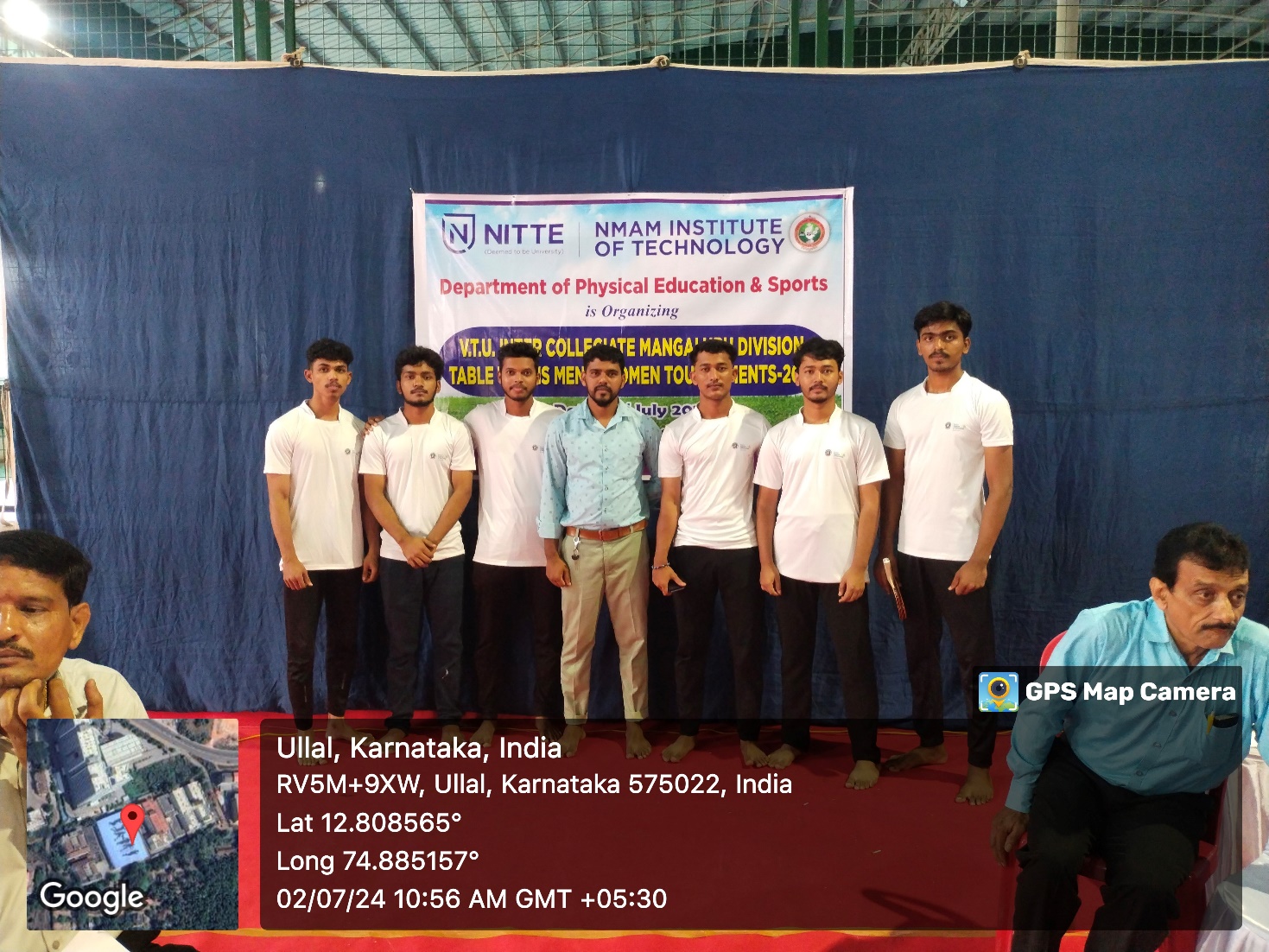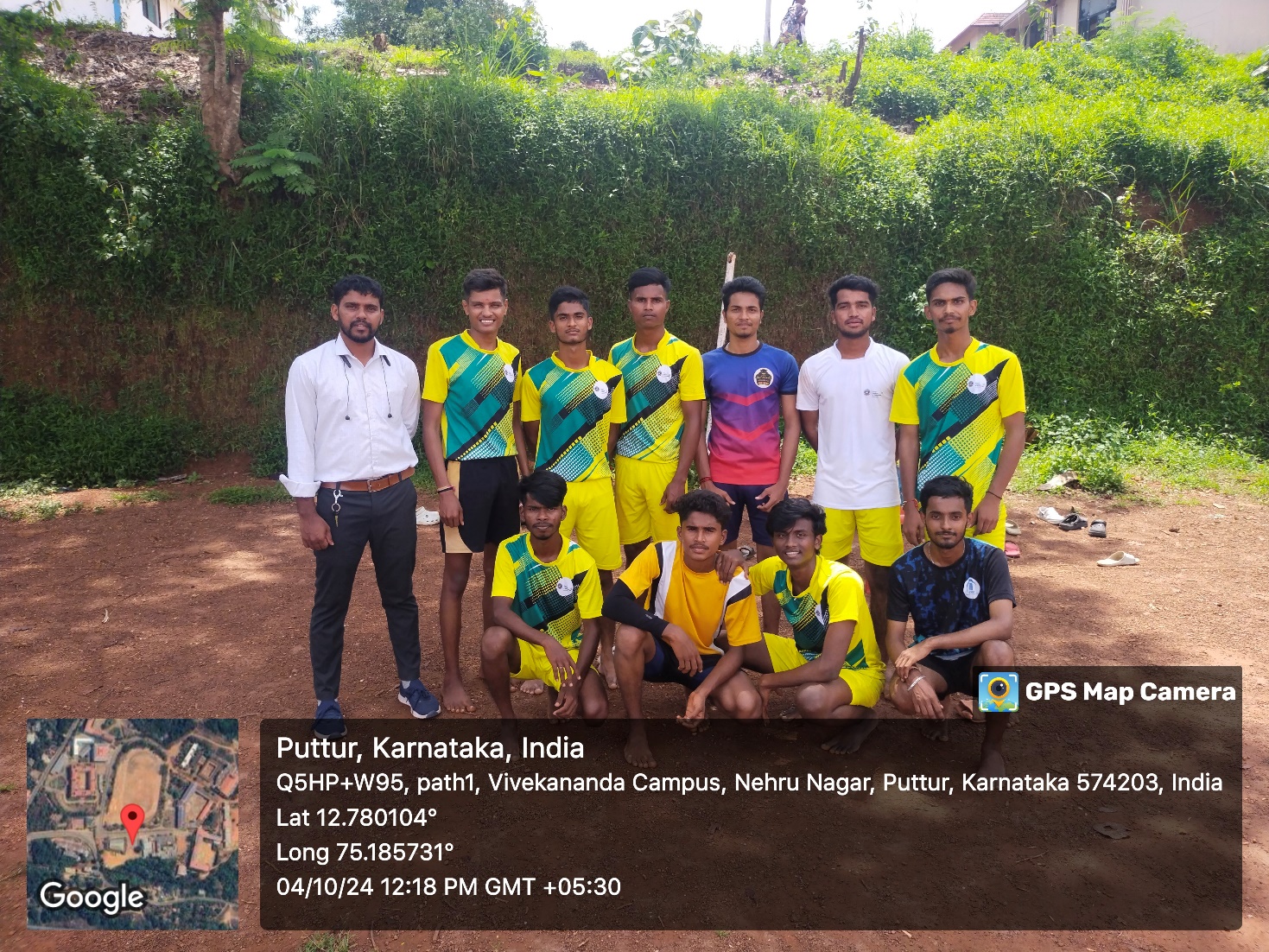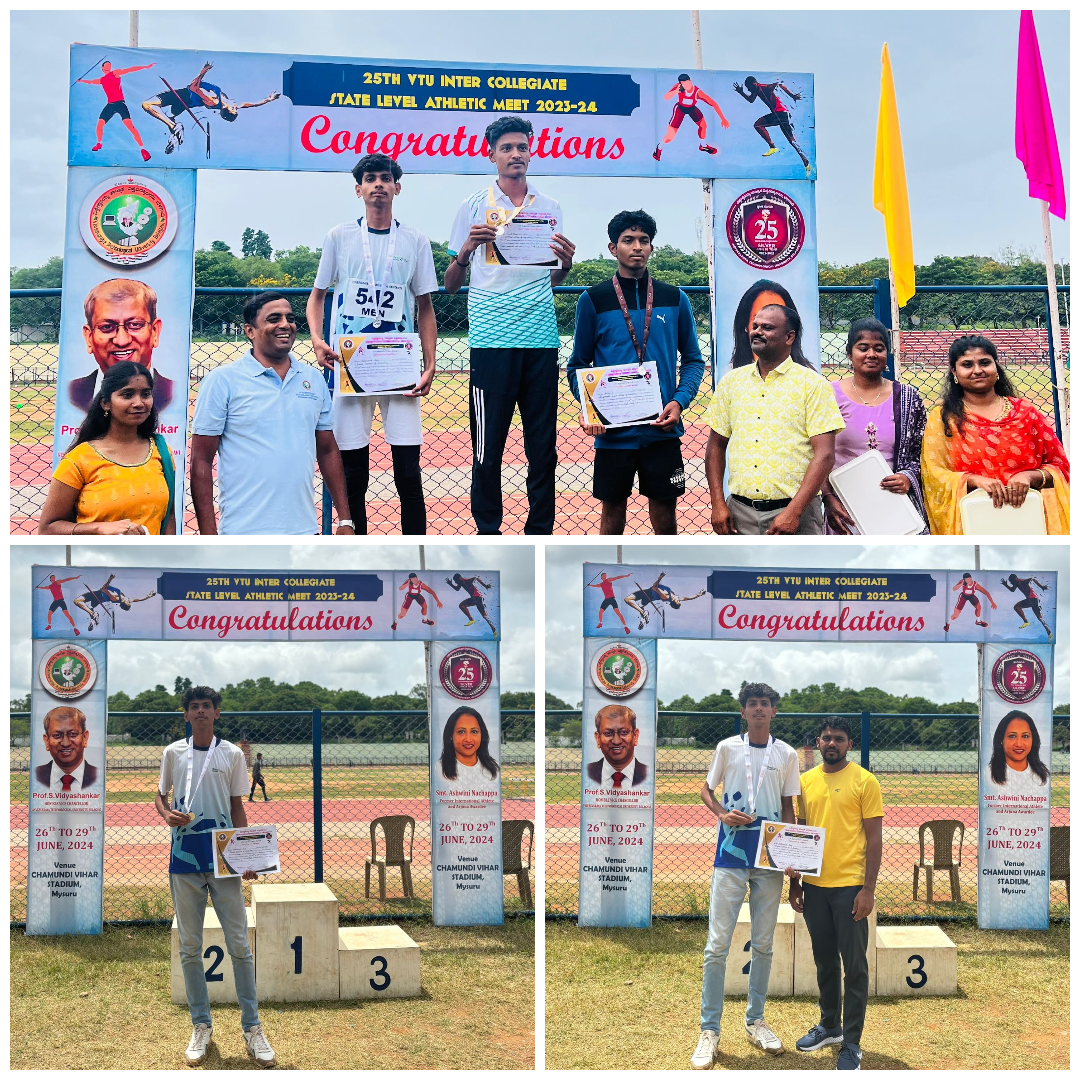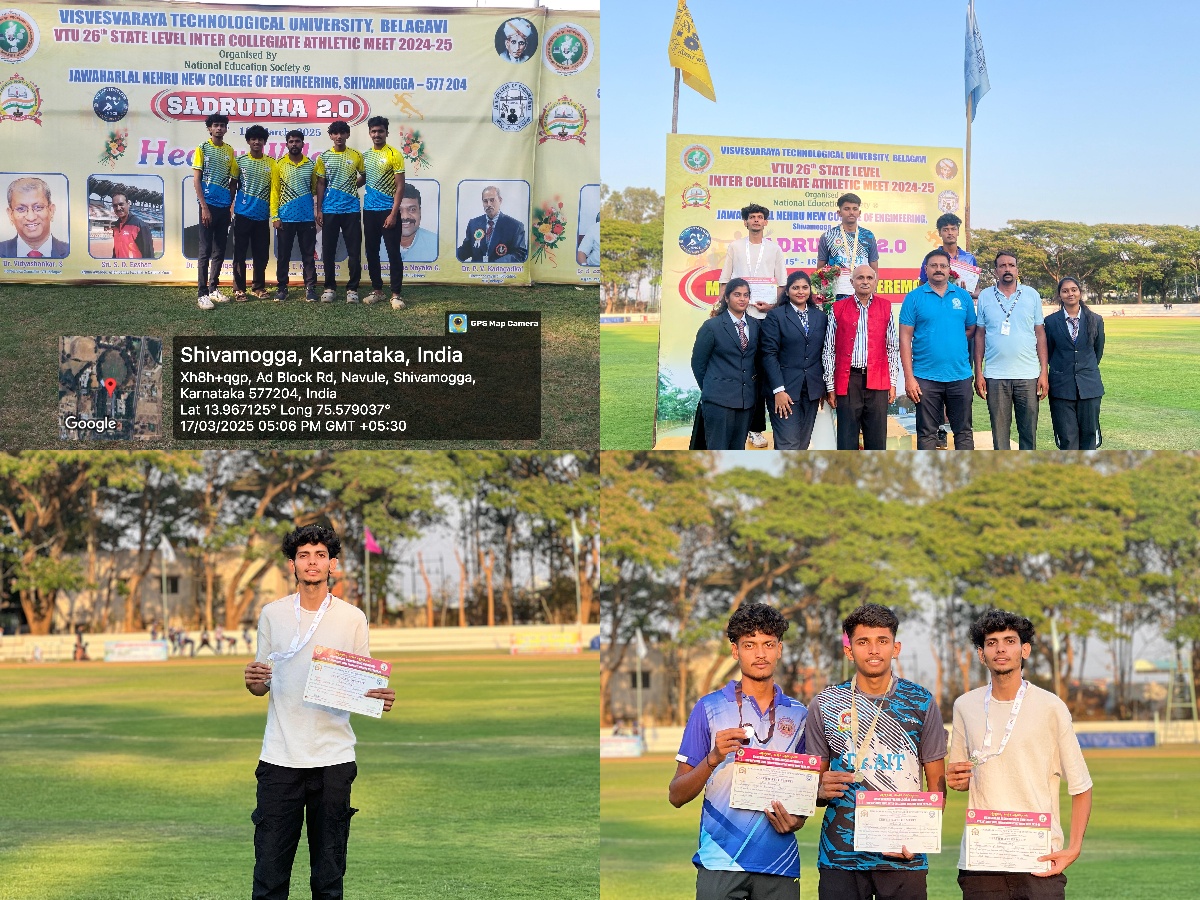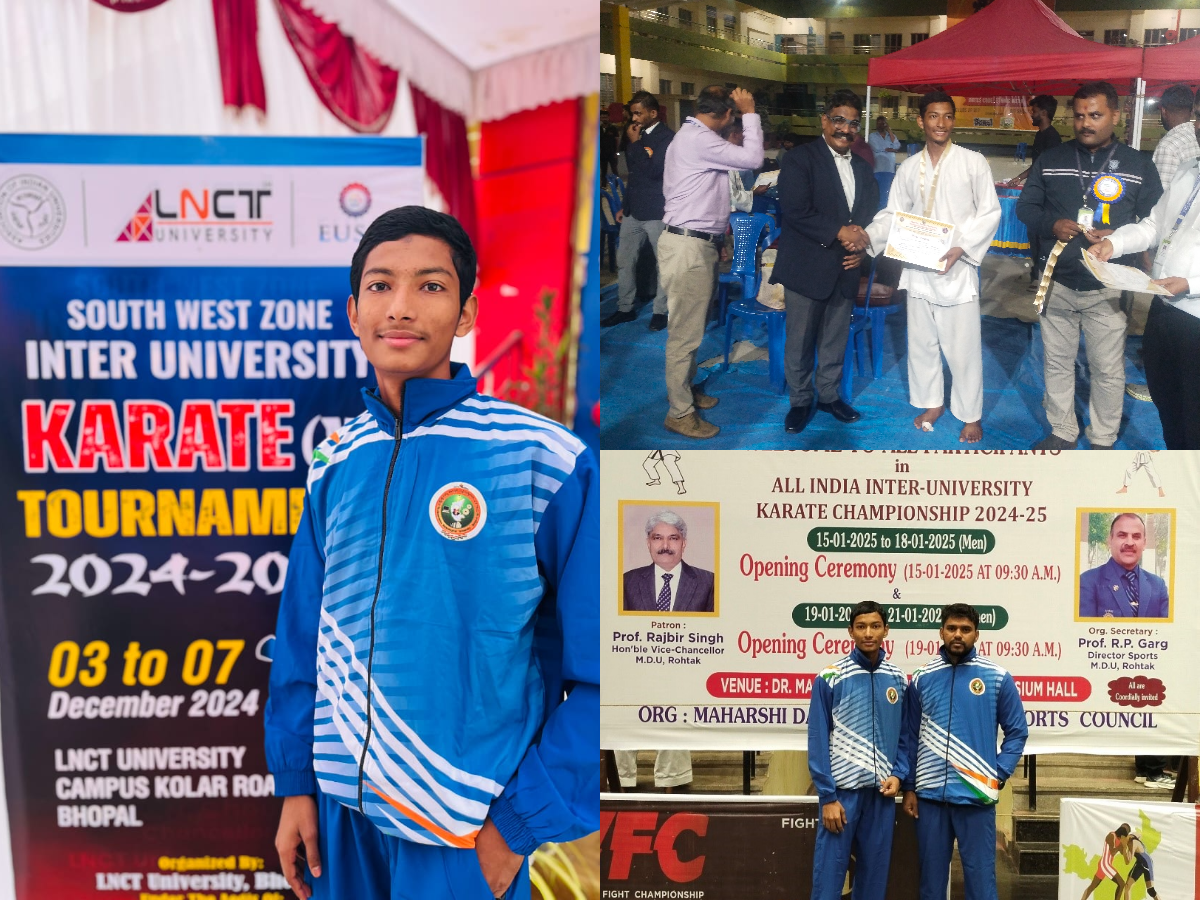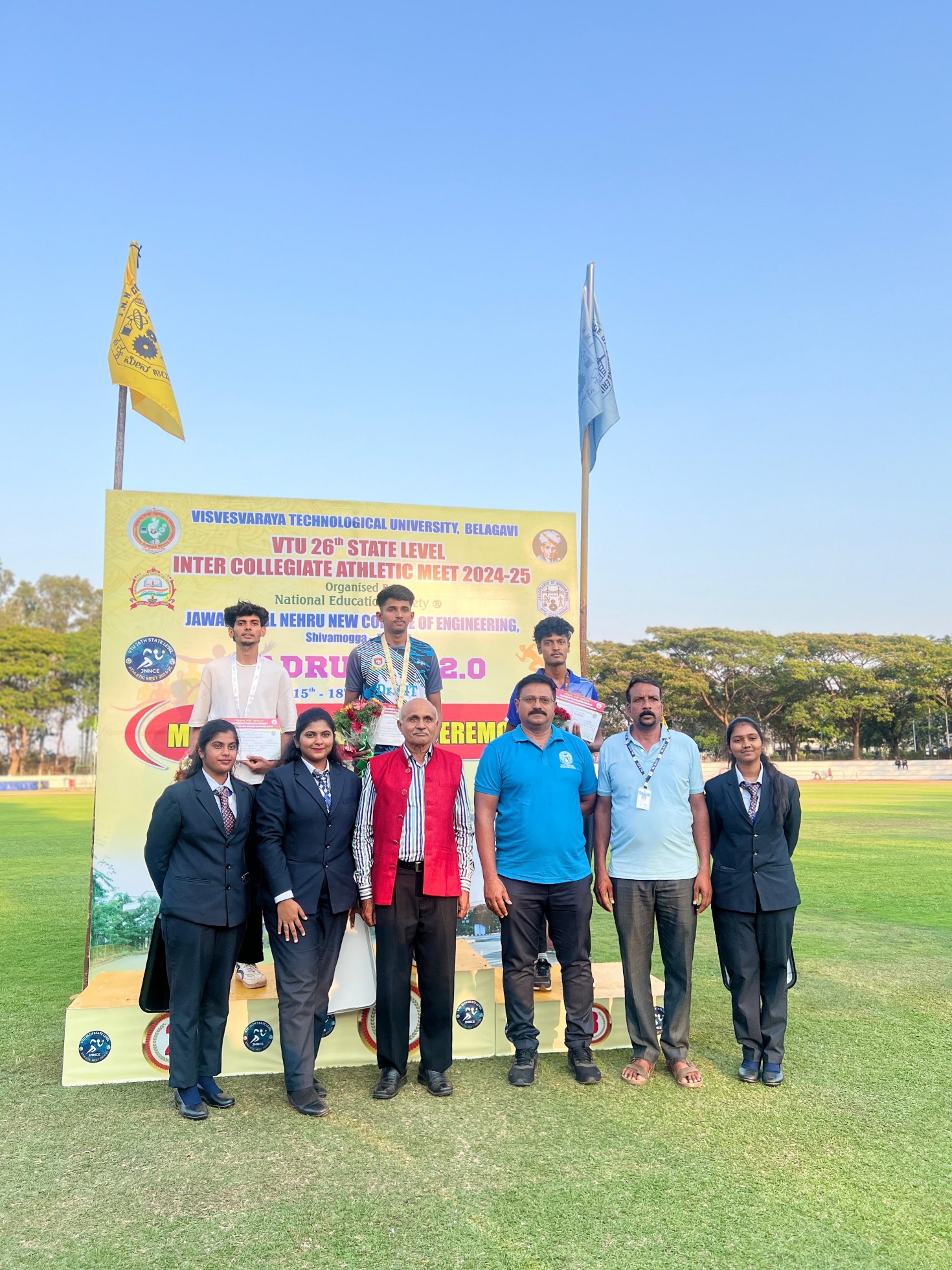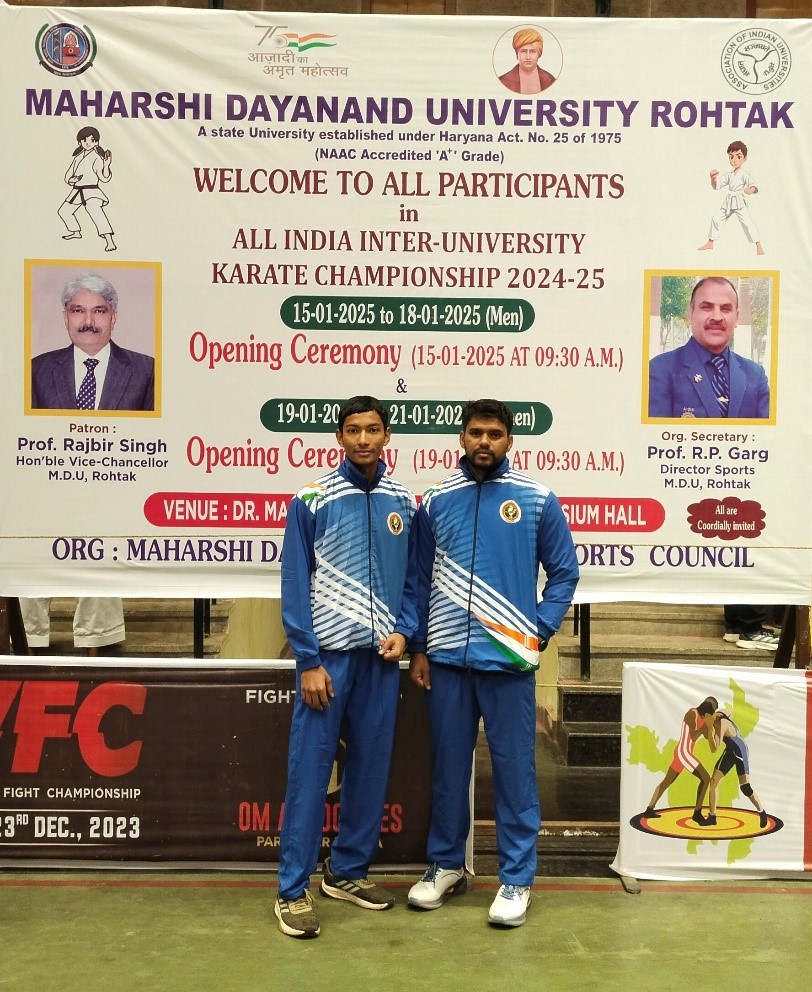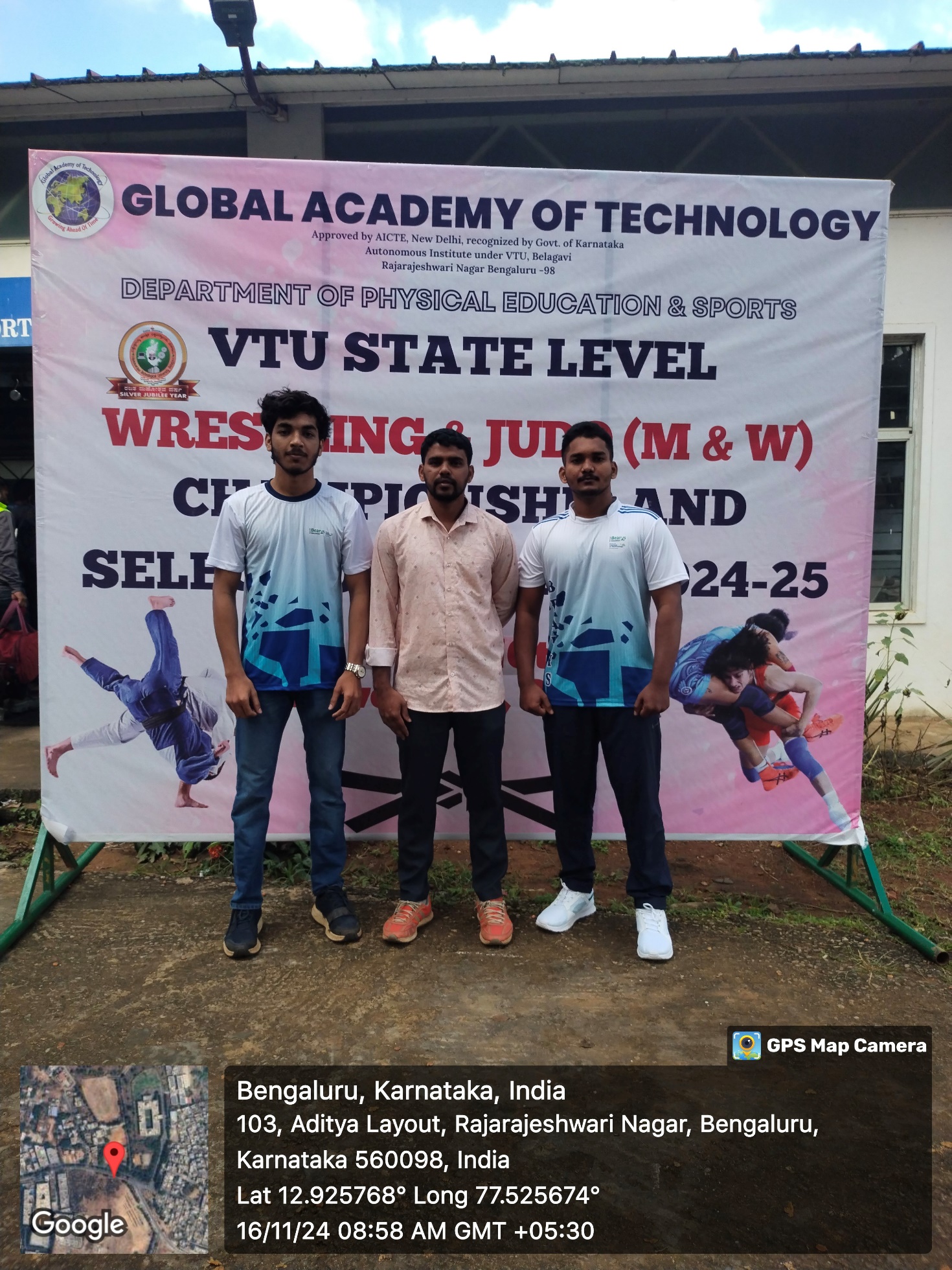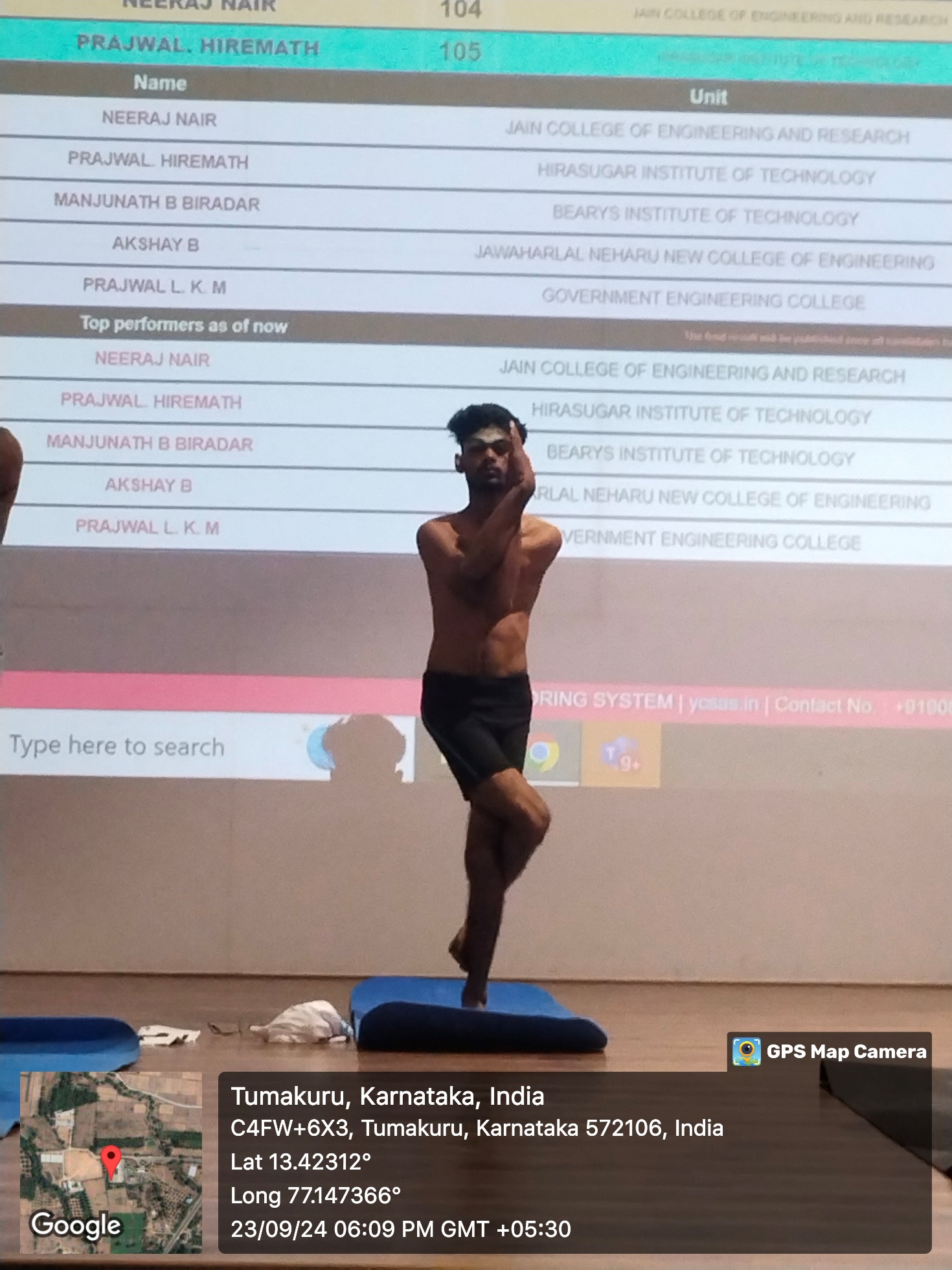

SPORTS FACILITIES
OVERVIEW
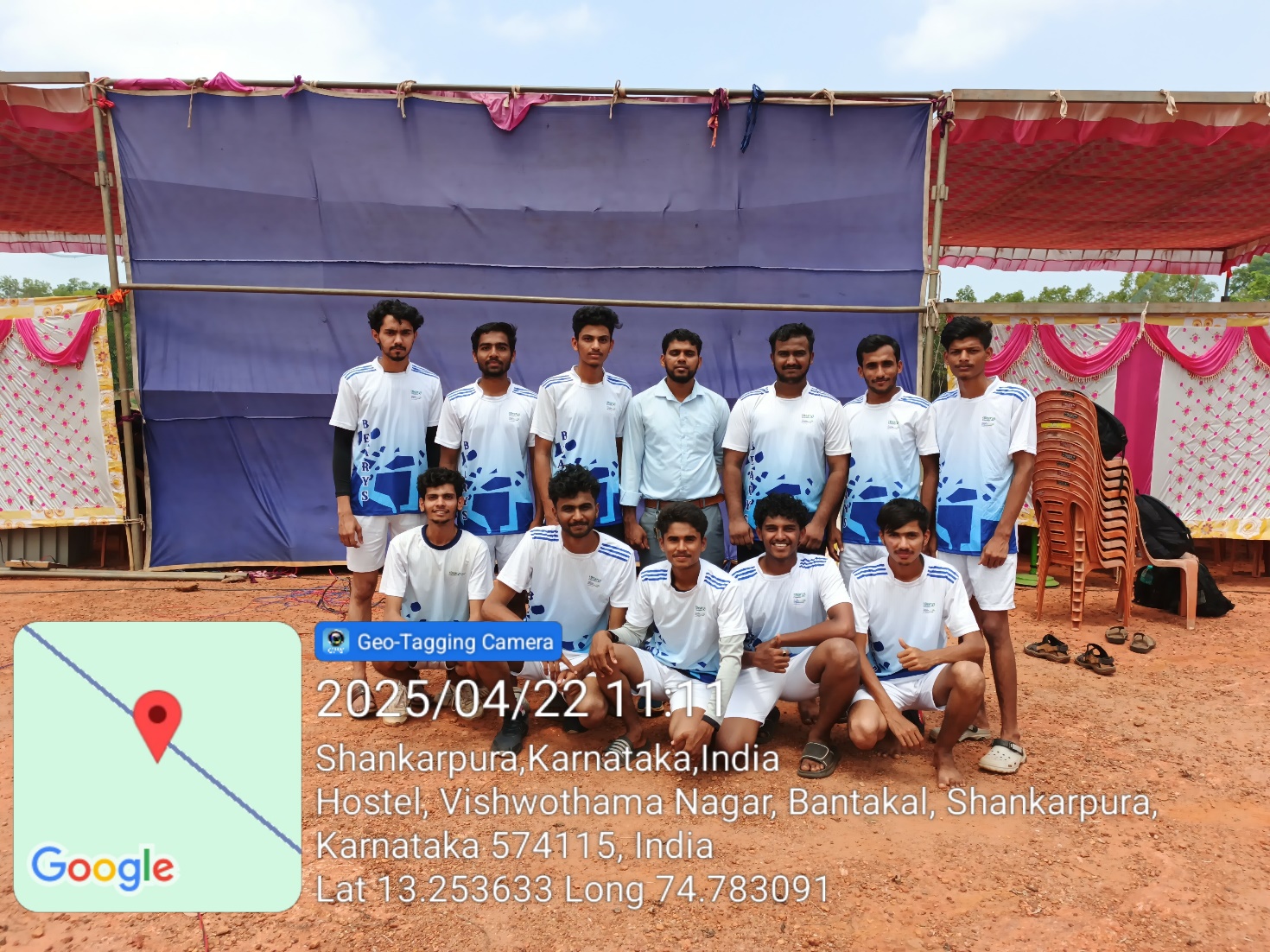
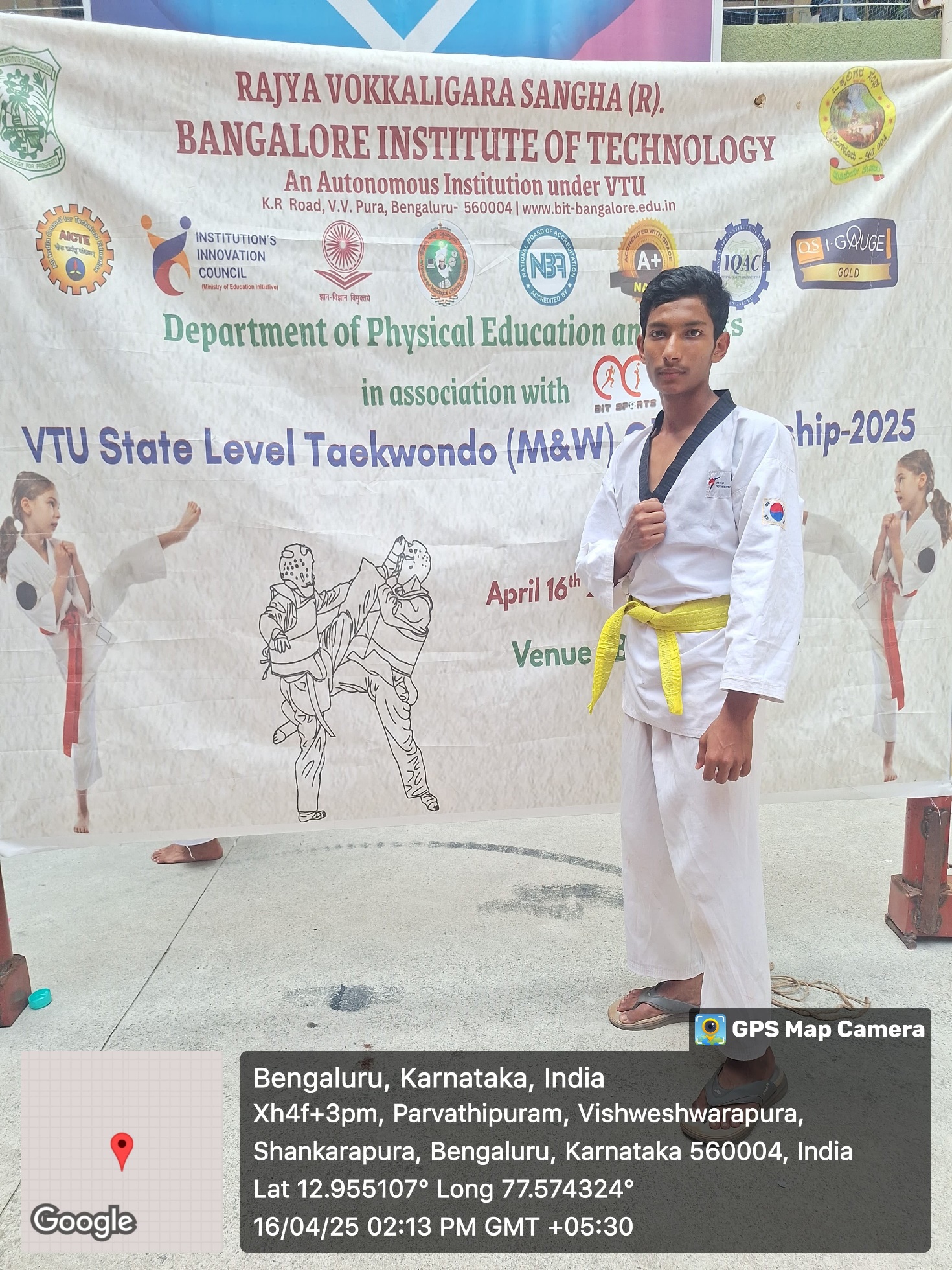
Bearys Institute of Technology (BIT), Mangalore, is committed to the holistic development of its students by offering a wide range of sports facilities that encourage physical fitness, teamwork, and healthy competition. The campus features both indoor and outdoor sports infrastructure, supporting students in balancing academics with active lifestyles.
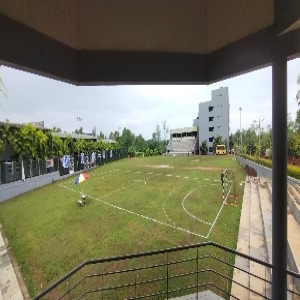
CRICKET PRACTICE GROUND
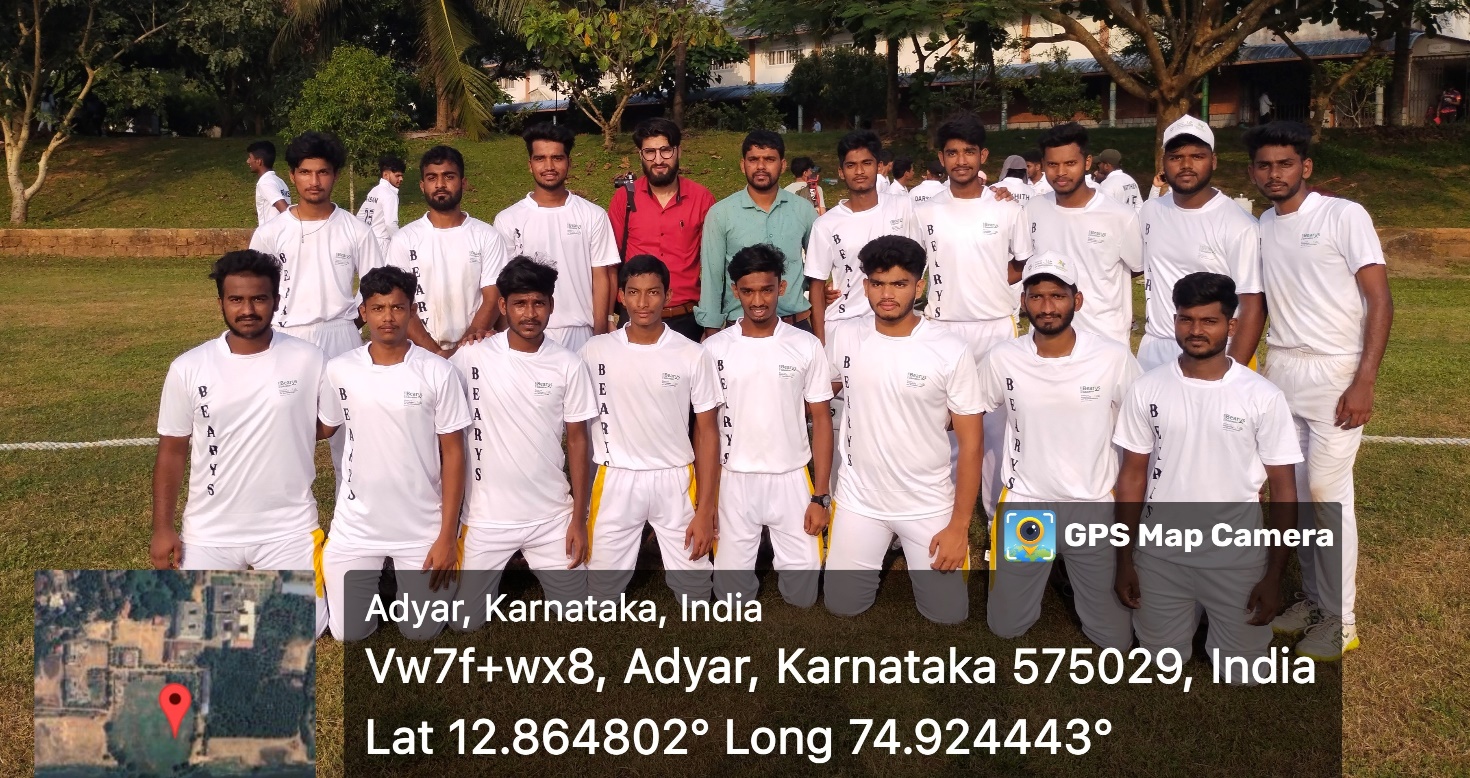
The cricket practice ground in our college provides students with the ideal facility to train and improve their skills in the game of cricket. It is spacious, well-maintained, and equipped with a proper pitch that allows for both batting and bowling practice. The ground also has nets installed, ensuring that players can practice safely without interruptions. Adequate space around the nets enables fielding and catching drills, giving players a complete training experience. Regular practice sessions held on the ground help students develop discipline, teamwork, and sporting spirit. By providing such a facility, the college encourages budding cricketers to nurture their talent and prepare for higher-level competitions.
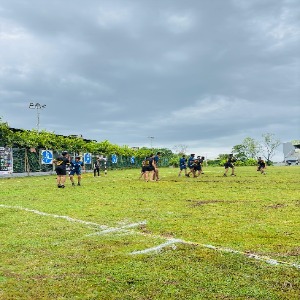
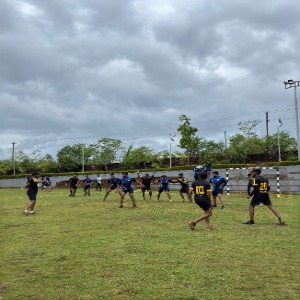
HANDBALL
Our college has a well-maintained handball ground, which is a rectangular playing area designed for the fast-paced and energetic sport of handball. The court is clearly marked with important lines such as the goal area line (6-meter line), free-throw line (9-meter line), and the centre line, which define the key zones of play. The ground measures 40 meters in length and 20 meters in width, with goals placed at the centre of each end line. Each goalpost is 2 meters high and 3 meters wide, meeting standard specifications. The surface of the court is prepared to provide good grip and smooth movement for the players. This facility encourages students to develop speed, strategy, teamwork, and endurance while enjoying the game. It also serves as a platform for them to showcase their talent in both attack and defence, promoting physical fitness and a strong competitive spirit.
VOLLEYBALL
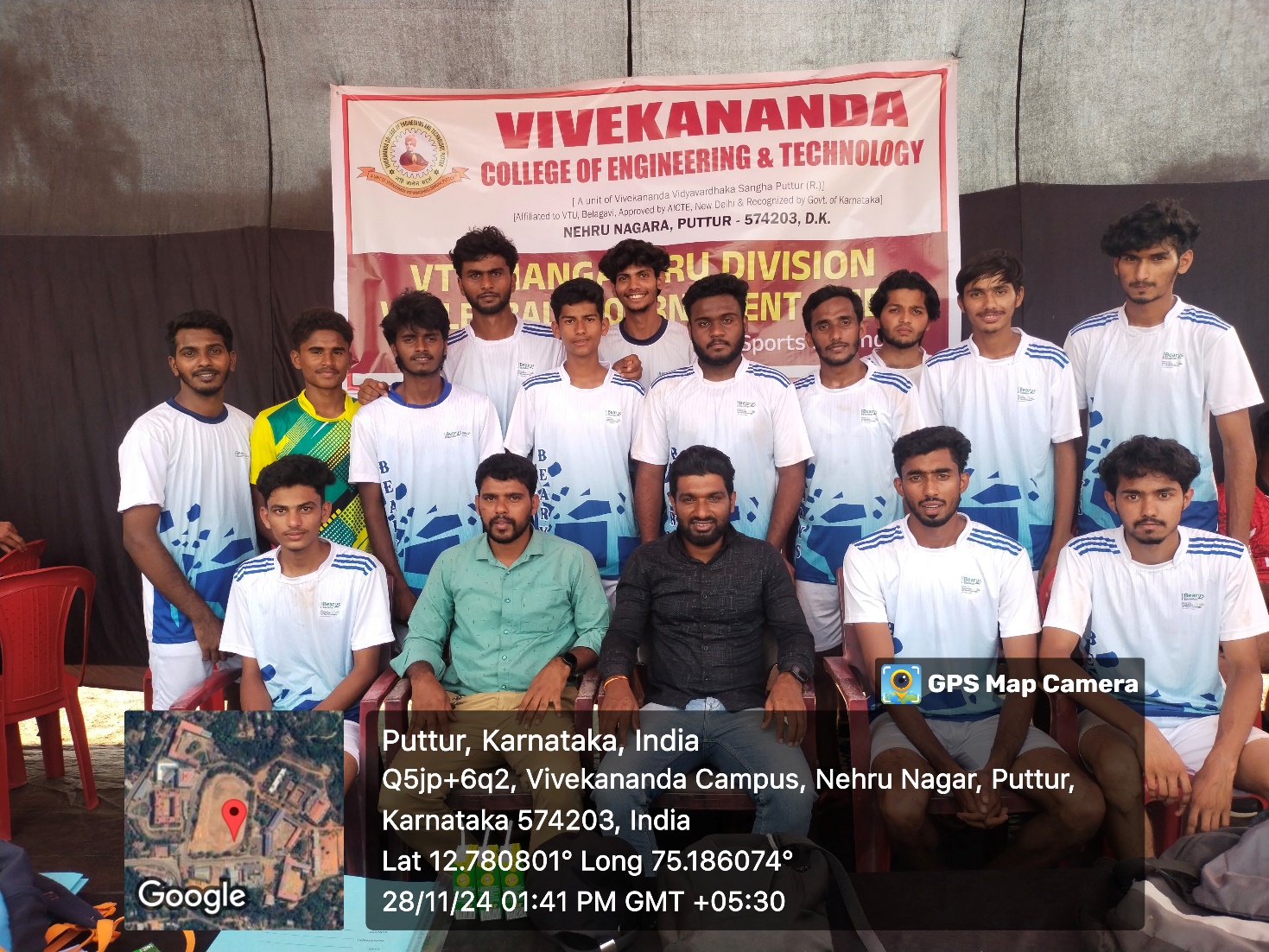
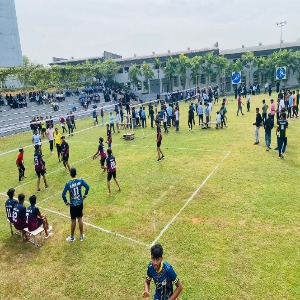
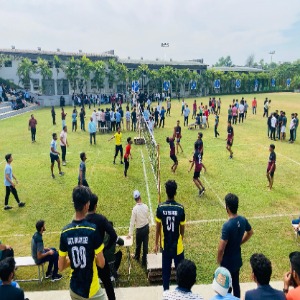
Our college has a well-maintained volleyball ground, which is a rectangular playing area designed for the sport of volleyball. The court is divided into two equal halves by a net, with each team occupying one side during play. It is properly marked with boundary lines, an attack line (3-meter line), and a centre line to regulate the game. The court measures 18 meters in length and 9 meters in width, with the net height set at 2.43 meters for men and 2.24 meters for women, as per standard regulations. The volleyball ground provides students with the opportunity to develop important skills such as agility, coordination, teamwork, and strategic thinking. It serves as a space for both casual games and competitive matches, promoting physical fitness, concentration, and true sportsmanship among players.
KABADDI
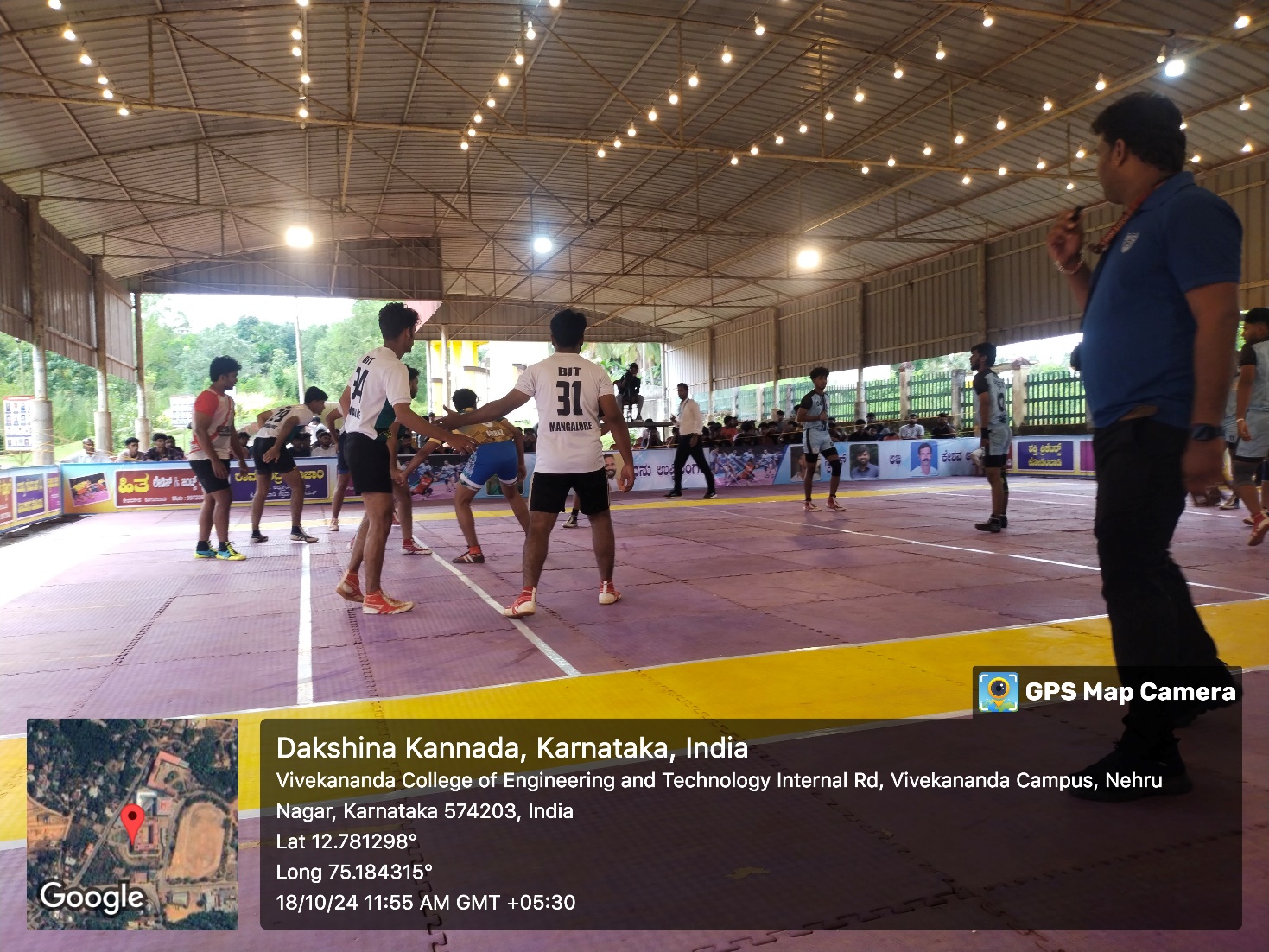
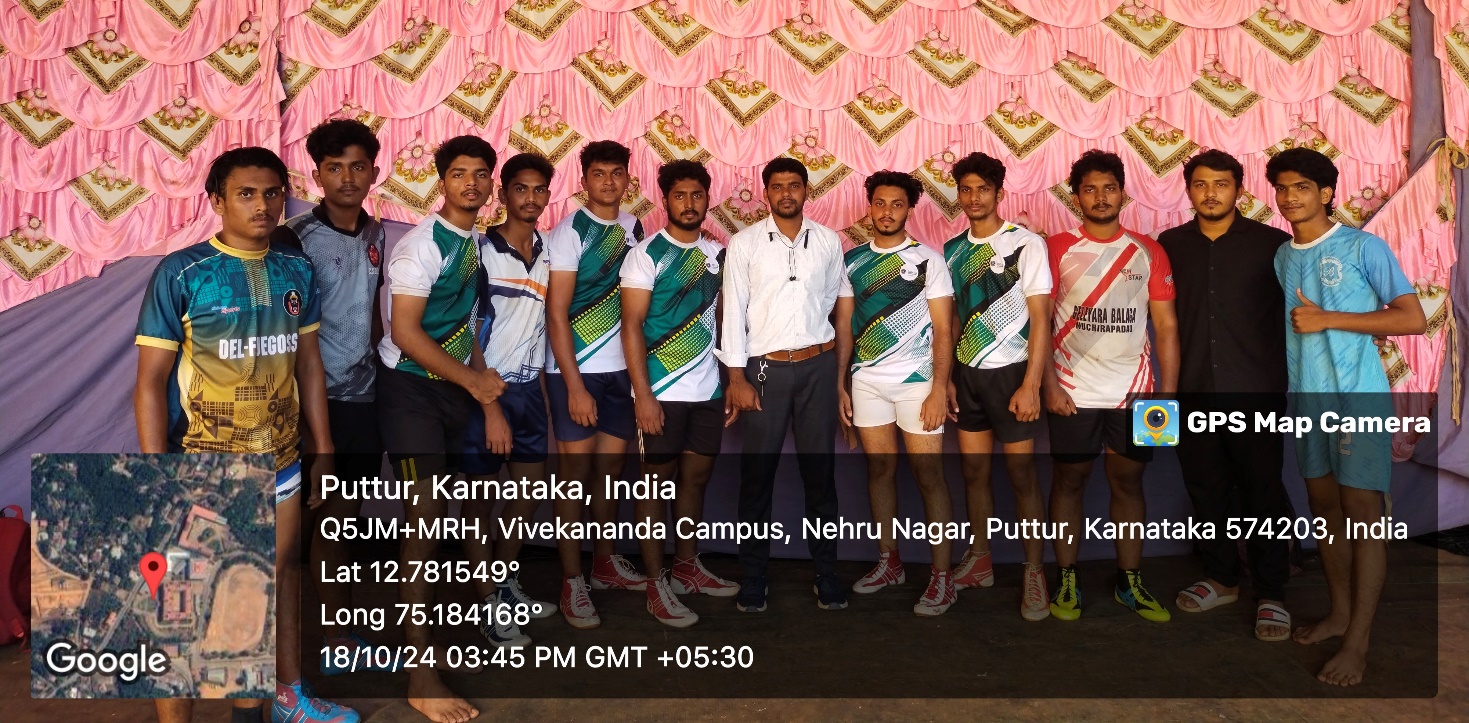
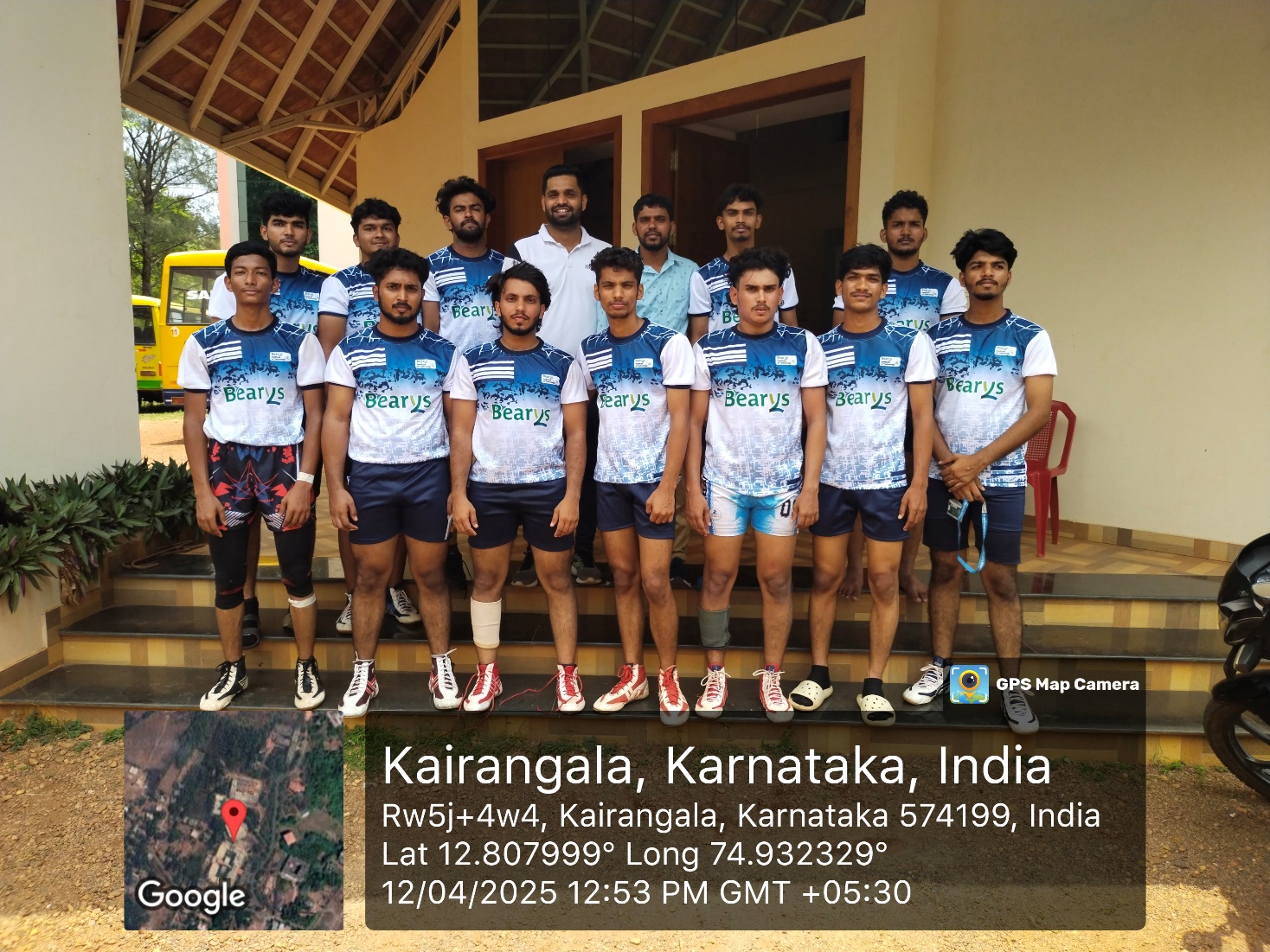
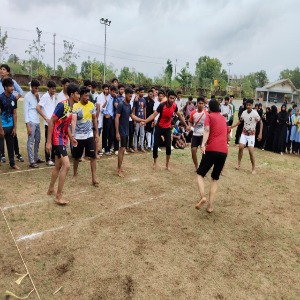
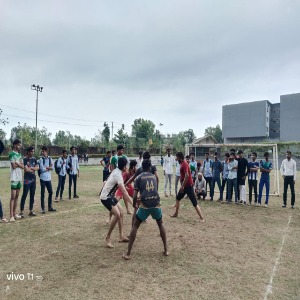
Our college has a dedicated kabaddi ground, which is a rectangular playing field designed specifically for the sport of kabaddi. The ground is clearly marked with important lines such as the mid-line, baulk lines, bonus lines, and boundaries, ensuring fair and structured gameplay. As per standard dimensions, the court measures 13 meters by 10 meters for men’s competitions and 12 meters by 8 meters for women’s competitions. The kabaddi ground provides an excellent space for students to practice and participate in this traditional sport, which demands speed, strength, endurance, and tactical strategy. It not only supports physical fitness but also preserves and promotes the cultural heritage of kabaddi, fostering teamwork and competitive spirit among players.
THROW BALL
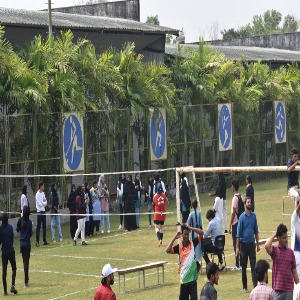
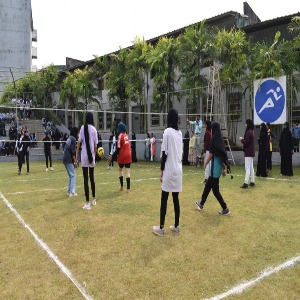
The court measures 18.3 meters (60 feet) in length and 12.2 meters (40 feet) in width. A centre line divides the court into two equal halves, each measuring 9.15 meters by 12.2 meters (30 feet by 40 feet). A net is fixed across the width of the court at a height of 2.2 meters (7.22 feet) from the ground. On either side of the court, a neutral box or service line is marked 1 meter away from the centre line, designated for serving. This standard layout ensures a proper division of play, smooth conduct of the game, and fairness between the teams.
FOOTBALL
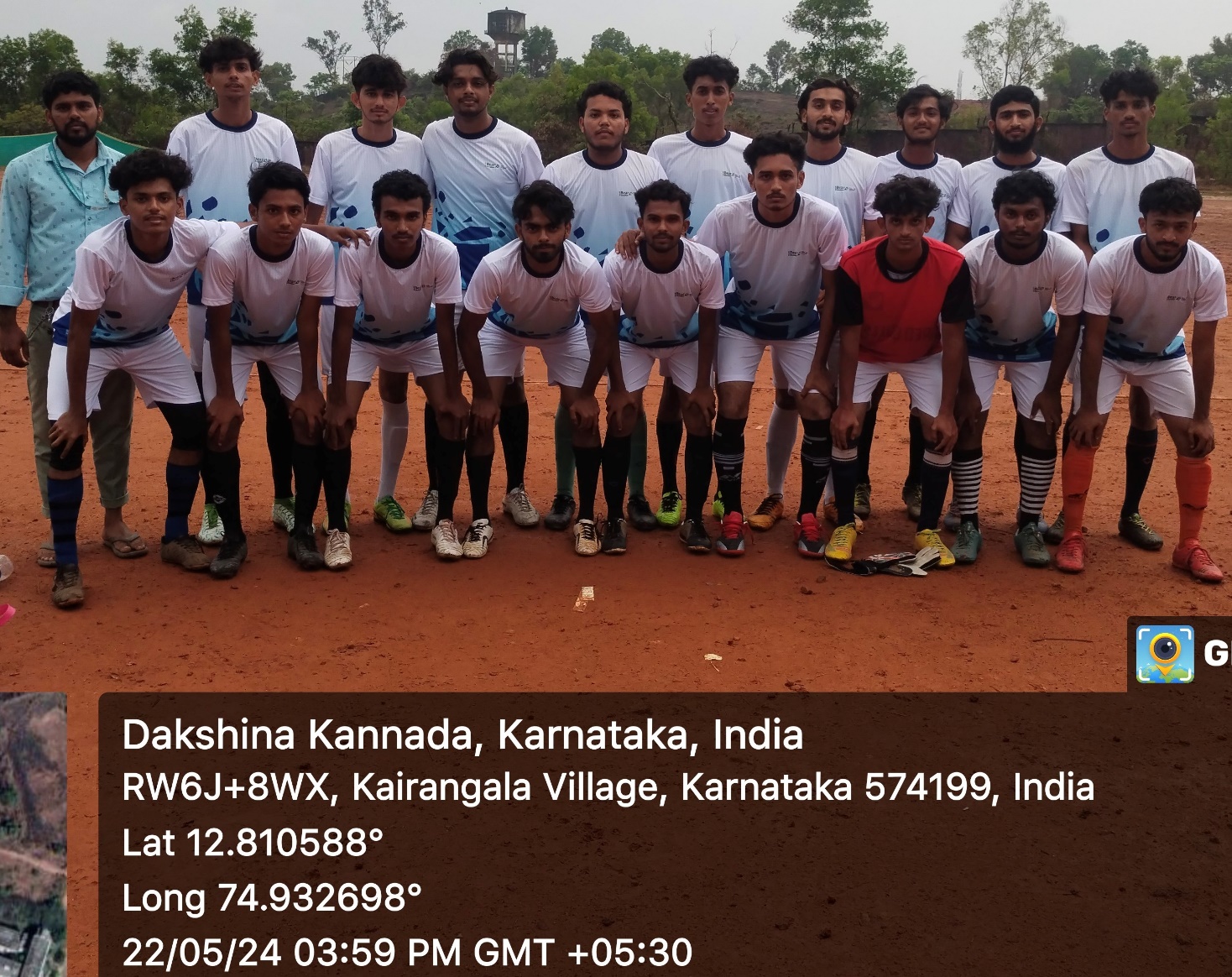
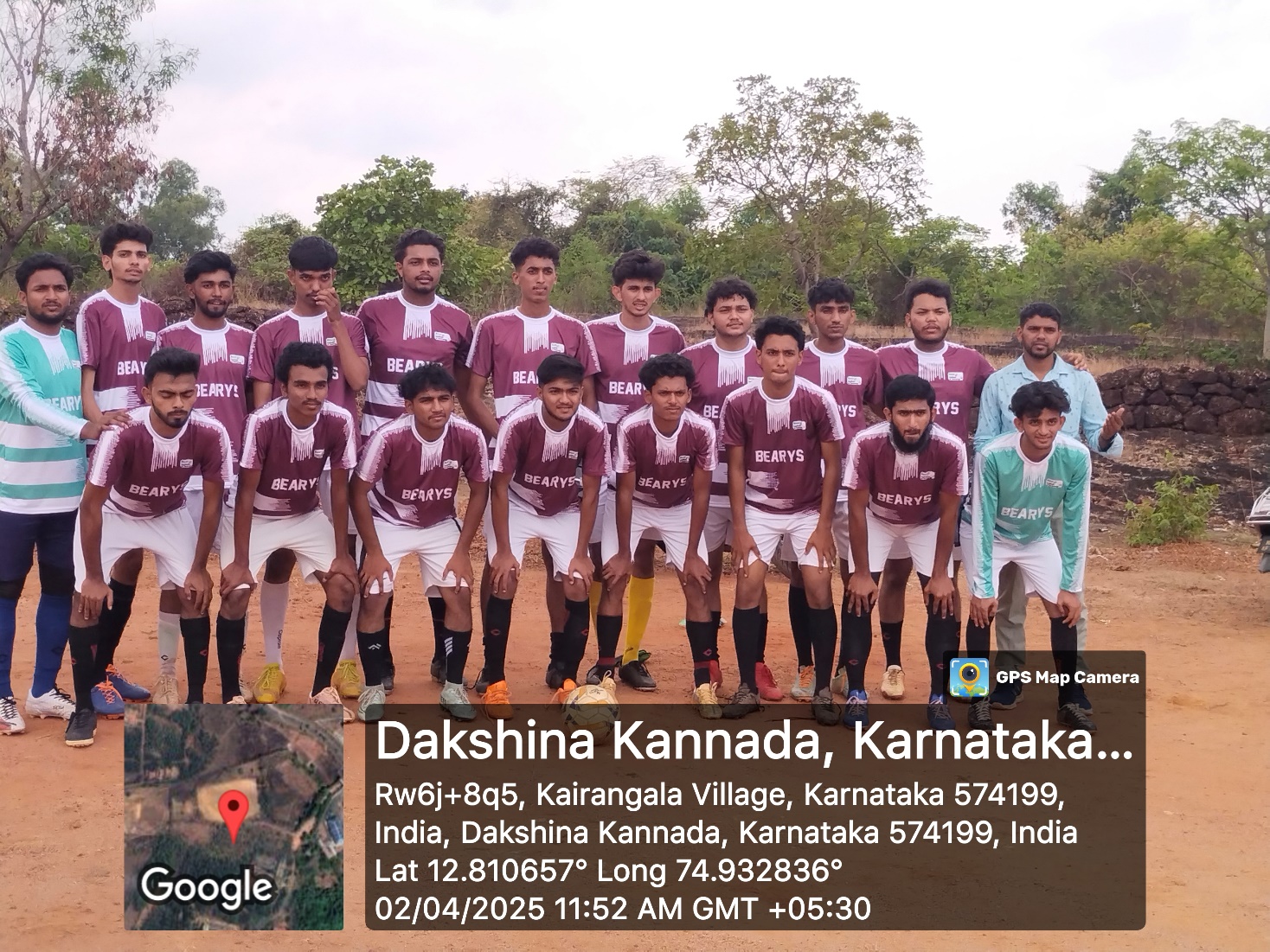
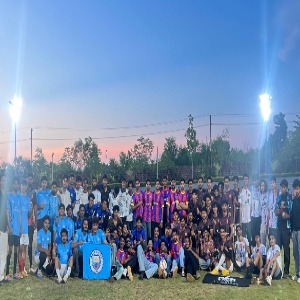
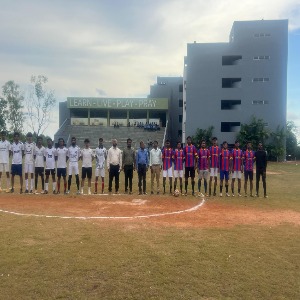
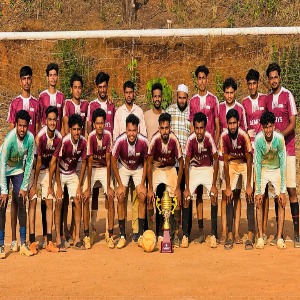
Our college has a standard football ground, which is a rectangular pitch designed according to official guidelines. The recommended size for senior play and professional matches is 105 meters in length and 68 meters in width, and FIFA regulations permit a length ranging from 100 to 110 meters and a width from 64 to 75 meters, with the length always greater than the width. The ground provides ample space for smooth gameplay, training, and competitive matches. It serves as an ideal facility for students to develop stamina, teamwork, and tactical skills while enjoying one of the most popular sports in the world.
ATHLETICS
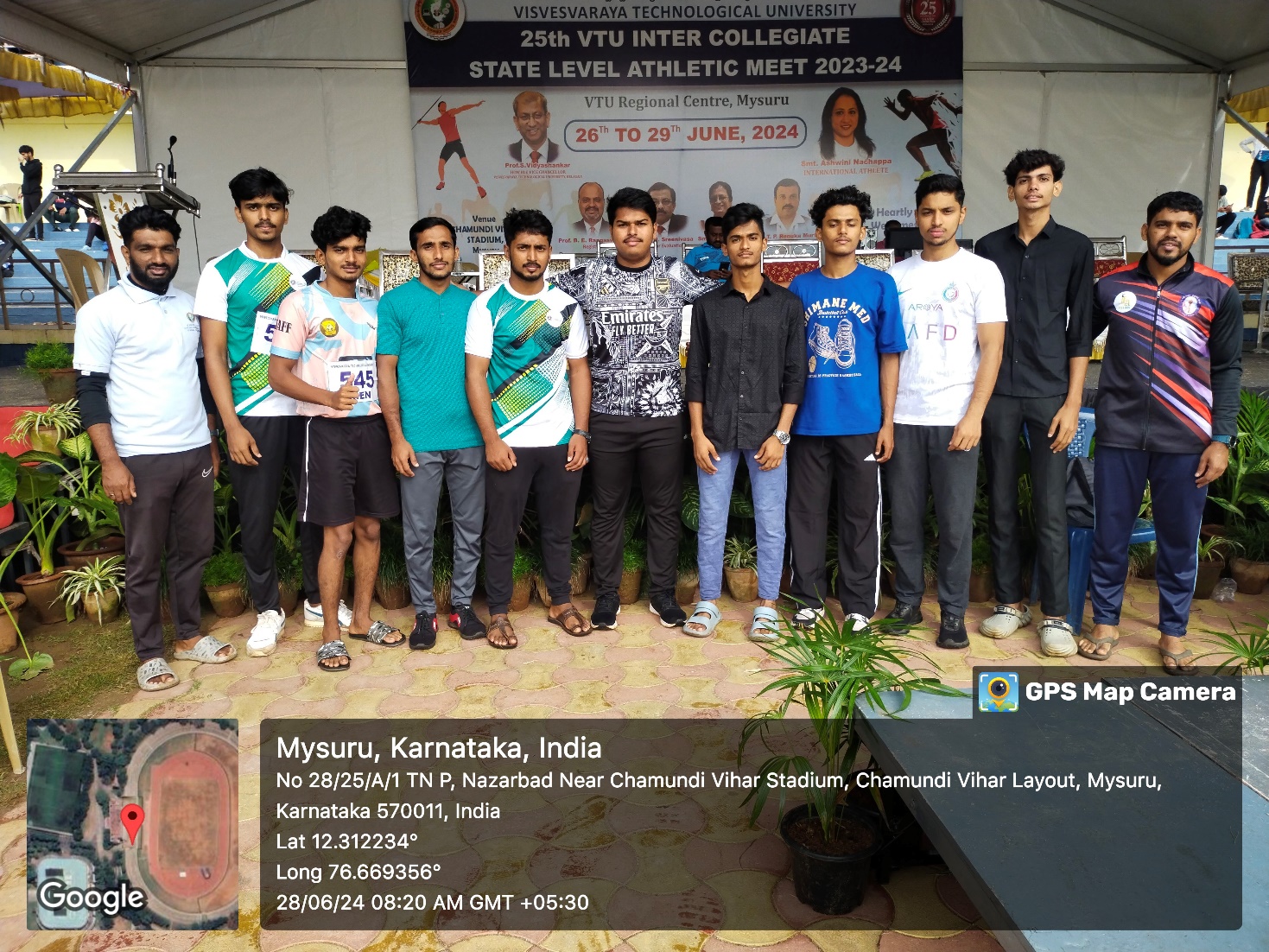
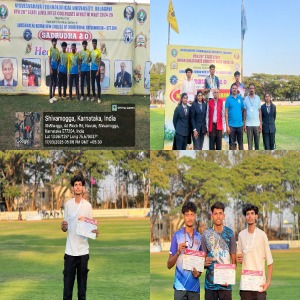
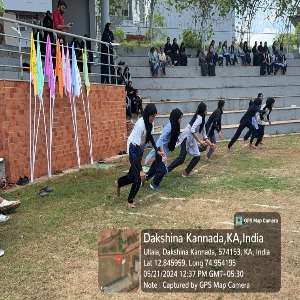
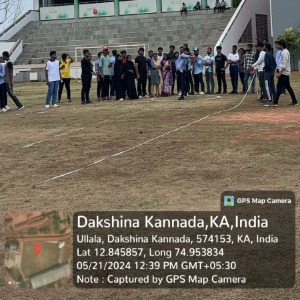
The campus is equipped with dedicated spaces for a wide range of track and field events, offering students the opportunity to train, compete, and excel in athletics. These facilities support physical development, discipline, and competitive spirit.
• Shot Put Arena – Built to standard specifications with a focus on safety, this arena supports strength-based training and competitive events.
• Discus Throw Area – A properly marked throwing circle and landing zone designed to develop skill, technique, and precision.
• Javelin Throw Field – A secure and spacious area that allows students to train for distance, accuracy, and control in javelin.
• Long Jump Pit – Maintained with soft sand and a standard runway to ensure safe landings and high performance.
• Running Track – A well-prepared surface suitable for sprints, middle-distance, and long-distance running, encouraging endurance and speed.
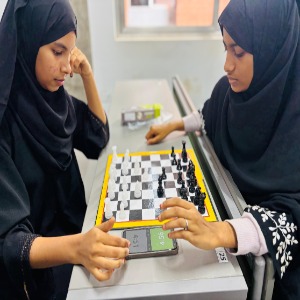
CHESS
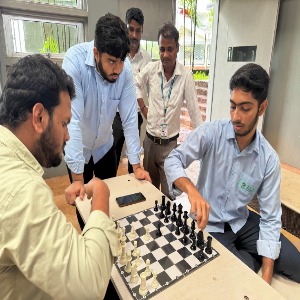
Chess is valued as a game that sharpens the mind, fostering concentration, strategic thinking, patience, and analytical skills. To support this intellectual pursuit, the college offers a peaceful, well-equipped indoor facility where students can play and practice in a focused environment.
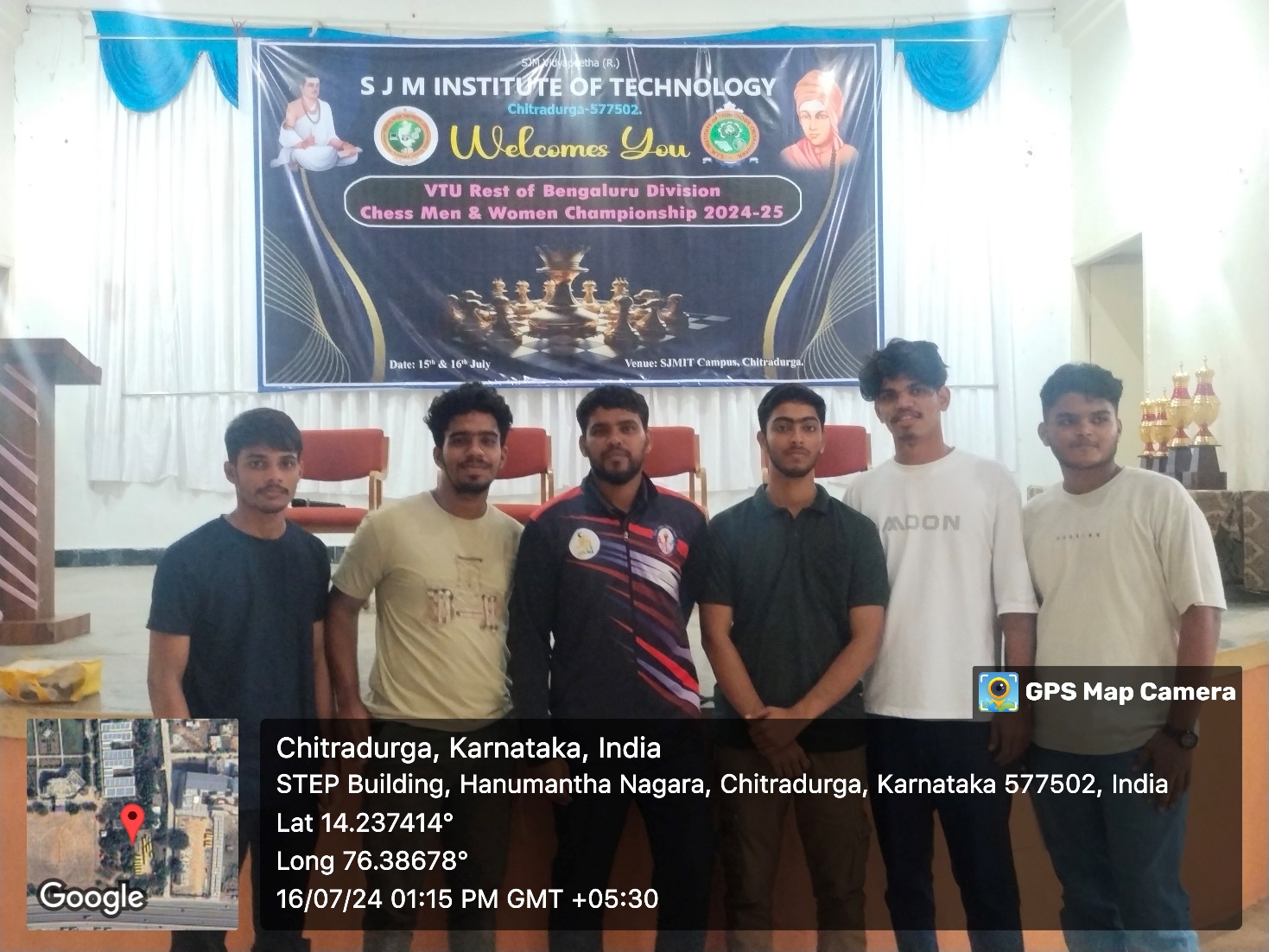
Students are actively involved in intra-college chess competitions and are encouraged to represent the college in inter-collegiate and university-level tournaments. The institution provides all necessary resources, including chess boards, clocks, and a competitive atmosphere, to nurture talent and passion for the game.
Chess at BEARYS is more than just a pastime—it’s a platform for mental discipline and personal growth.
BADMINTON
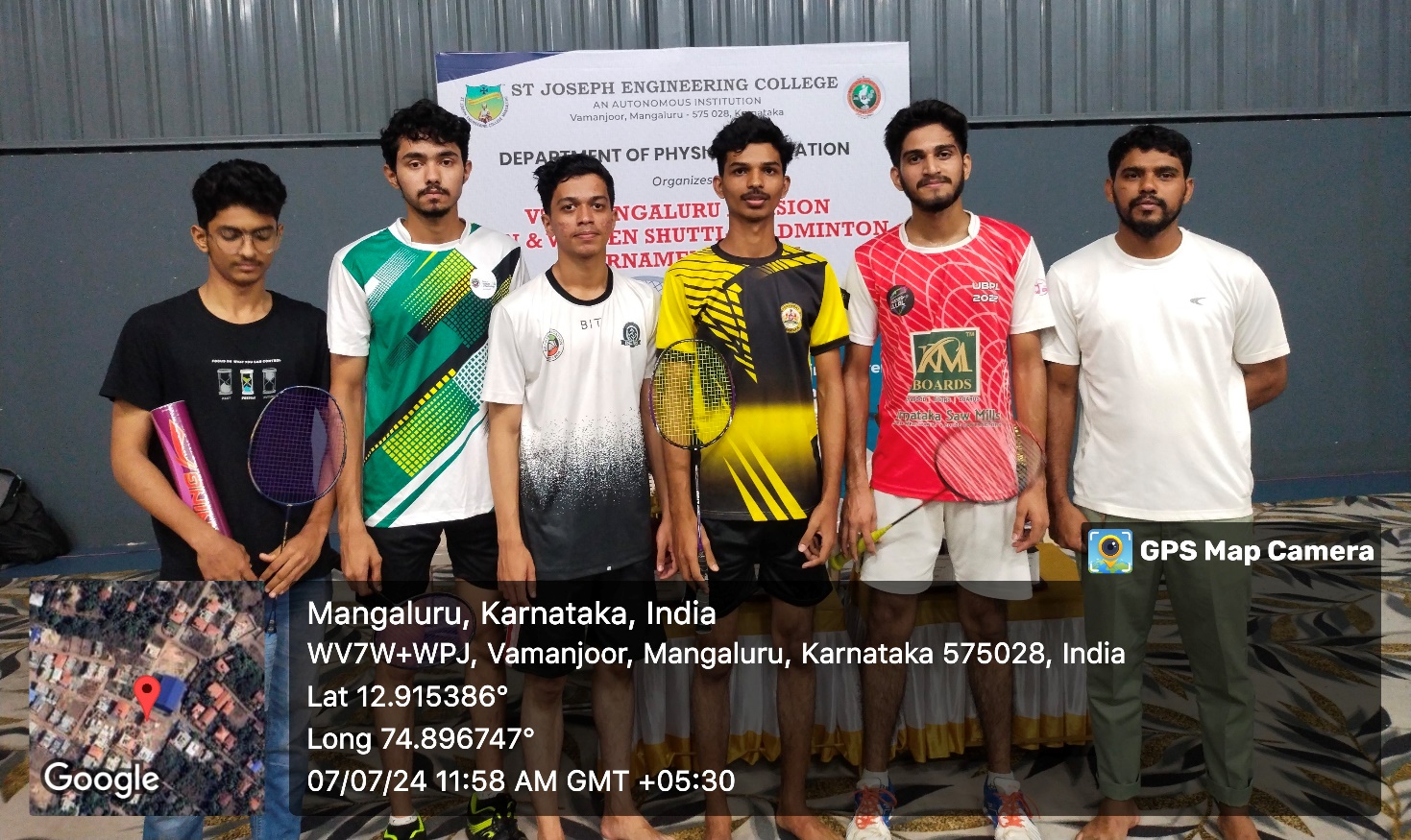
Our college has a well-maintained badminton court, which is a rectangular playing area divided by a net at the centre and marked for both singles and doubles matches. The court measures 13.4 meters (44 feet) in length. For singles play, the width is 5.18 meters (17 feet), while for doubles it extends to 6.1 meters (20 feet). The net is set at a height of 1.55 meters (5 feet 1 inch) at the posts and 1.524 meters (5 feet) at the centre. The court is marked with specific service lines, including the short service line at 1.98 meters (6 feet 6 inches) from the net and the long service line for doubles at 0.76 meters (2 feet 6 inches) from the back boundary. A centre line divides the service courts into left and right halves, while the side lines differ for singles and doubles play. The back boundary line marks the farthest edge of the court. All markings are clearly defined with white or yellow lines of 40 mm (1.57 inches) in width, ensuring proper visibility and adherence to international standards. The facility provides students an excellent space to practice and compete, enhancing their agility, concentration, and sportsmanship.
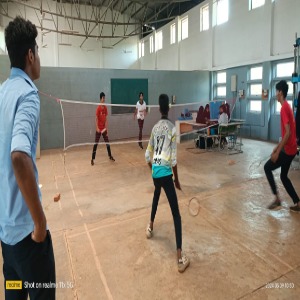
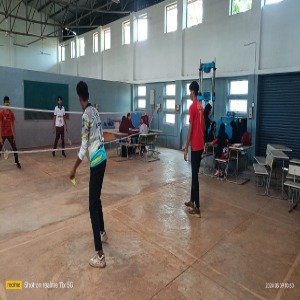
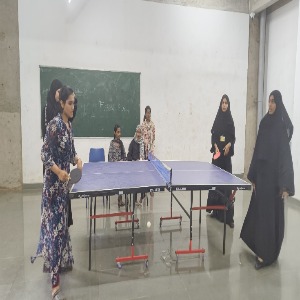
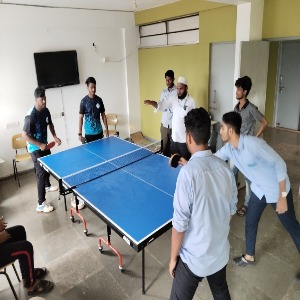
TABLE TENNIS
Our college provides a standard table tennis facility with a well-maintained playing area. The table measures 2.74 meters in length, 1.525 meters in width, and 76 centimeters in height. It is divided into two equal halves by a net standing 15.25 centimeters high, which stretches across the width of the table. The surface is dark-colored with a matte finish to minimize glare and is marked with white boundary lines for proper visibility. In doubles play, a centre line divides each side into two equal courts. The playing area around the table also has sufficient free space, with at least 5 meters in length and 3 meters in width, allowing players to move comfortably during rallies. This setup ensures fair play, smooth movement, and a professional environment for both practice and competitive matches.
GYMNASIUM
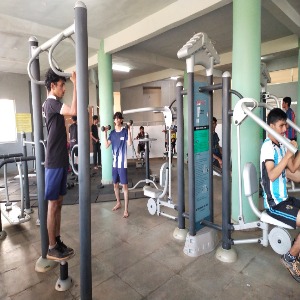
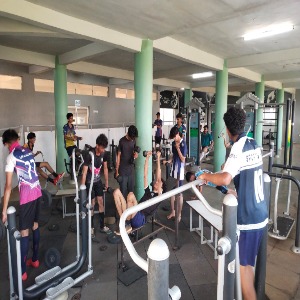
Our college gym is a well-equipped facility aimed at promoting fitness, health, and overall well-being among students and staff. It is furnished with modern exercise equipment such as treadmills, stationary cycles, weightlifting machines, and free weights, enabling users to engage in both strength training and cardiovascular workouts. The gym also provides ample space for stretching and warm-up activities, creating a safe and comfortable environment for regular exercise. By making use of the gym, students are able to stay physically active, reduce stress, and maintain good health alongside their academic commitments. This facility reflects the college’s commitment to encouraging a balanced lifestyle and fostering the holistic development of its students.
Vision
Objectives
Benifits of Sports at BIT
VISION
To cultivate a culture of sportsmanship and physical excellence that complements academic growth, fostering well-rounded individuals capable of leadership, resilience, and healthy living.
OBJECTIVES
To promote physical fitness and mental well-being through regular sports activities.
To integrate sports into the daily campus life and academic calendar.
To organize intra- and inter-college sports tournaments for skill enhancement.
To support students in balancing academic excellence with physical activity.
To foster leadership, responsibility, and ethical conduct through sports.
BENEFITS OF SPORTS AT BIT
Improved Physical Health – Encourages an active lifestyle and fitness among students.
Mental Wellness – Reduces stress, boosts focus, and enhances emotional well-being.
Time Management – Develops discipline and the ability to manage academics and sports.
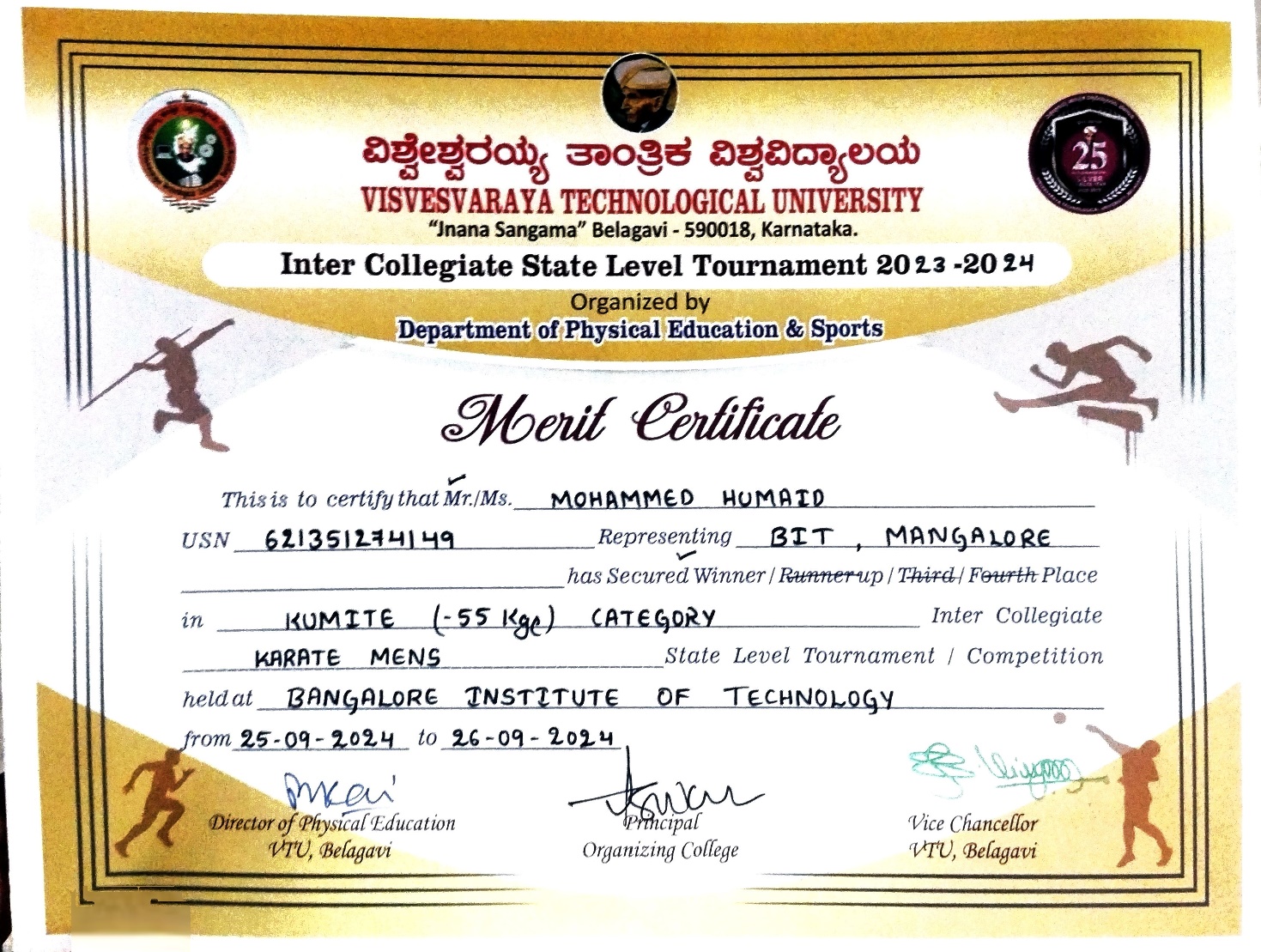
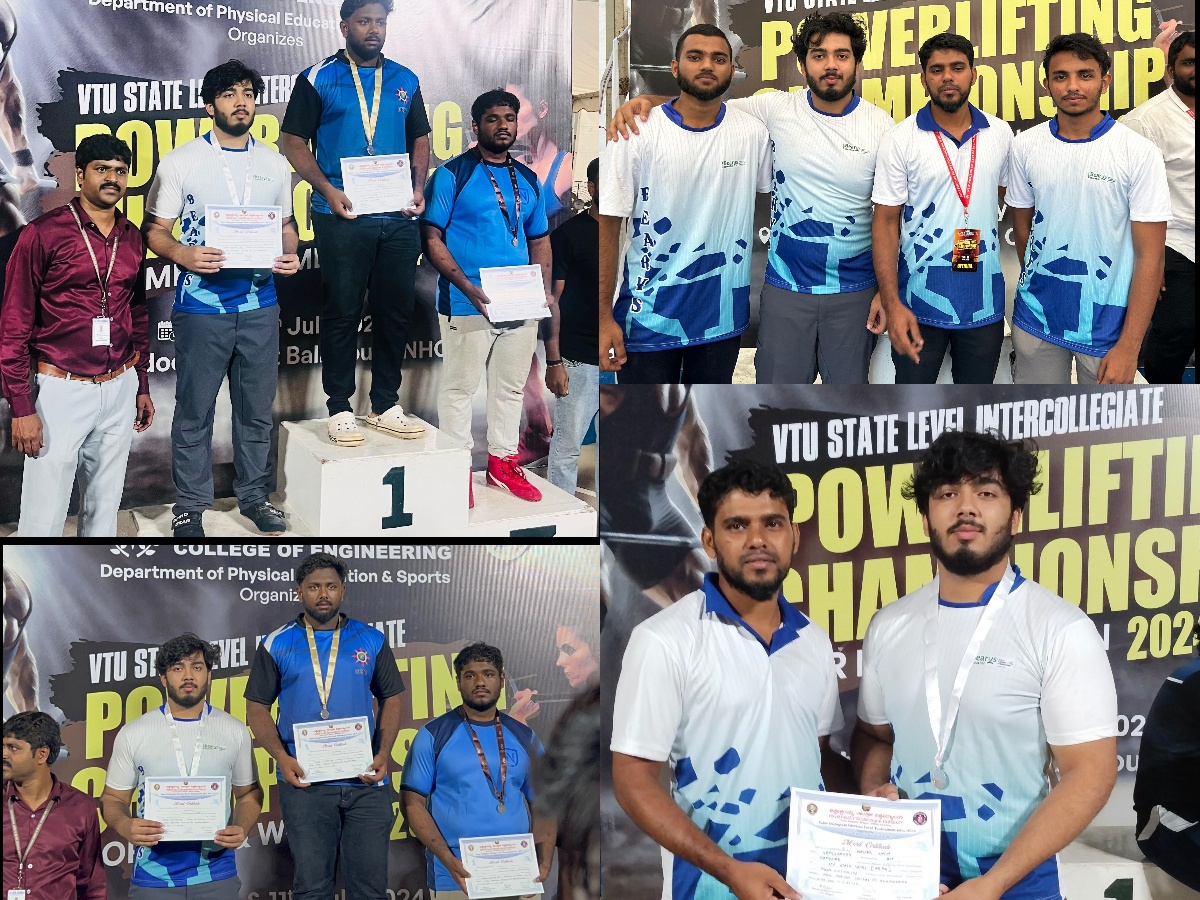
Recognition & Opportunities – Offers chances to participate in zonal, state, and national competitions.
Social Interaction – Strengthens bonds among peers through shared interests and teamwork