

Department of Computer Science & Engineering
VISION
MISSION
2. Creating knowledge of fundamental principles and innovative technologies through research with dedicated work force and cutting edge facilities.
3. To instil the values of preserving and protecting nature and resources to build green and sustainable environment and to craft better mankind with strong ethical and moral values for working towards the betterment of the society.
VISION
2. Creating knowledge of fundamental principles and innovative technologies through research with dedicated work force and cutting edge facilities.
3. To instil the values of preserving and protecting nature and resources to build green and sustainable environment and to craft better mankind with strong ethical and moral values for working towards the betterment of the society.
PROGRAM OUTCOMES (POs)

1. Engineering Knowledge
Apply the knowledge of mathematics, science, engineering fundamentals, and an engineering specialization to the solution of complex engineering problems.

2. Problem analysis
Identify, formulate, review research literature, and analyse complex engineering problems reaching substantiated conclusions using first principles of mathematics, natural sciences, and engineering sciences.

3. Design/ Development of Solutions
Design solutions for complex engineering problems and design system components or processes that meet the specified needs with appropriate consideration for the public health and safety, and the cultural, societal, and environmental considerations.

4. Conduct investigations of complex problems
Use research-based knowledge and research methods including design of experiments, analysis and interpretation of data, and synthesis of the information to provide valid conclusions.
5. Modern Tool Usage
Create, select, and apply appropriate techniques, resources, and modern engineering and IT tools including prediction and modelling to complex engineering activities with an understanding of the limitations.

6. The Engineer and Society
Apply reasoning informed by the contextual knowledge to assess societal, health, safety, legal and cultural issues and the consequent responsibilities relevant to the professional engineering practice.

7. Environment and Sustainability
Understand the impact of the professional engineering solutions in societal and environmental contexts, and demonstrate the knowledge of, and need for sustainable development.
8. Ethics
Apply ethical principles and commit to professional ethics and responsibilities and norms of the engineering practice.
9. Individual and Team Work
Function effectively as an individual, and as a member or leader in diverse teams, and in multidisciplinary settings.

10. Communication
Communicate effectively on complex engineering activities with the engineering community and with society at large, such as, being able to comprehend and write effective reports and design documentation, make effective presentations, and give and receive clear instructions.

11. Project Management and Finance
Demonstrate knowledge and understanding of the engineering and management principles and apply these to one’s own work, as a member and leader in a team, to manage projects and in multidisciplinary environments.

12. Life-long learning
Recognize the need for, and have the preparation and ability to engage in independent and life-long learning in the broadest context of technological change.
Program Specific Outcomes (PSOs):
1. Professional IT development and problem solving skills.
2. Preparing graduands for higher education and competitive exams.
3. Successful career and Entrepreneurship.
COURSE OUTCOMES (COs)
Bachelor of Engineering
2022 Scheme
Computer Science & Engineering
2021 Scheme
Computer Science & Engineering
2018 Scheme
Computer Science & Engineering
COURSE OUTCOMES (COs)
Postgraduate Engineering
2022 Scheme
Computer Science & Engineering
2020 Scheme
Computer Science & Engineering
Considered one of the fastest-growing engineering disciplines, Computer Science Engineering involves planning, designing, and executing software projects. The program includes a wide variety of engineering tasks including design and development of computer hardware, the study of basic building blocks of computers, analysis and design of computer algorithms, development of system and application software thus opening a multitude of challenging career opportunities for students. The department is equipped with a range of the latest infrastructure and facilities that are needed for a detailed and comprehensive understanding of the subject.
Our Faculty
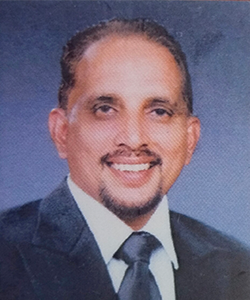
Dr. Aziz Musthafa
Teaching exp. 27 years,
Industry exp. 5 years.
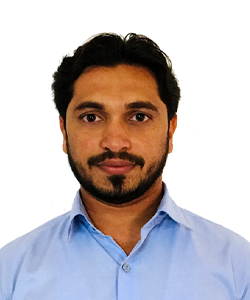
Mr. Mohammed Sinan
Teaching exp. 12 years.
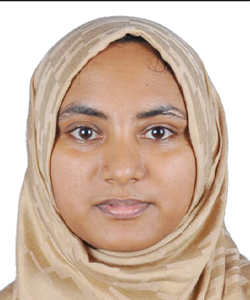
Dr. Nubila Jaleel
Teaching exp. 2 years.
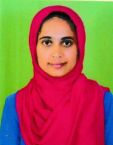
Ms. Umme Najma S K
MISTE
Student Advisor, IEEE
Teaching exp. 8 years.
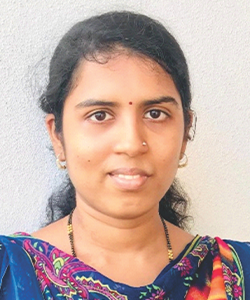
Mrs. Akshatha S A
Teaching exp. 3 years.
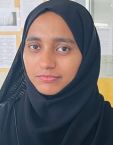
Mrs. Umaira
Teaching exp. 1 Year
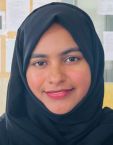
Ms. Nusaiba
Teaching exp. 1 year
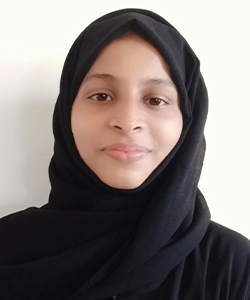
Ms. Suhaiba
exp. 10 months
Technical Staff
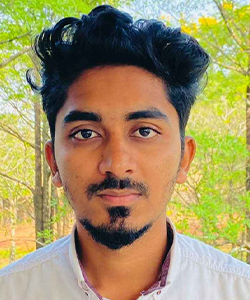
Mr. Mahammad Imthiyaz
exp. 3.7 years
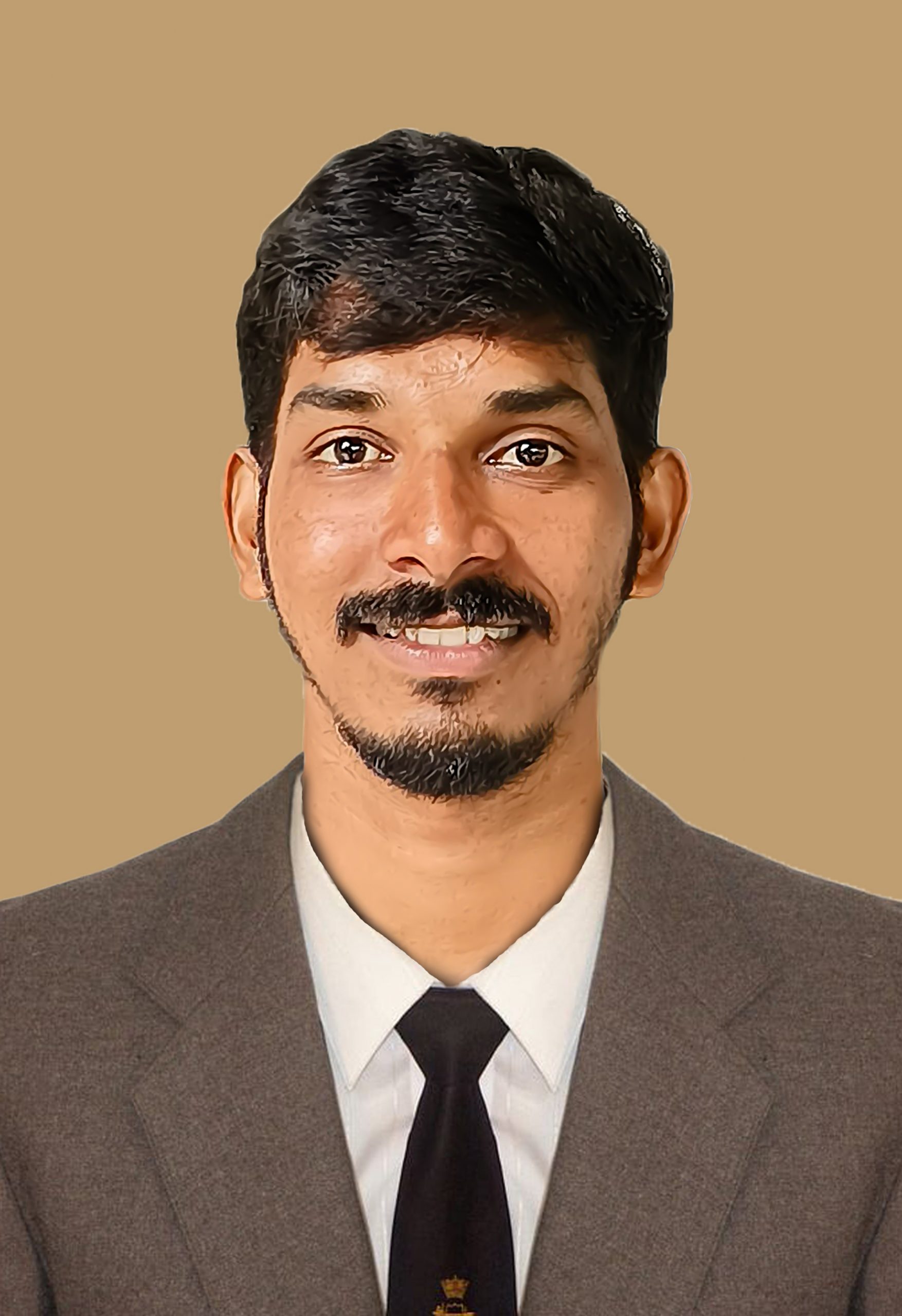
Mr. Manohara
exp. 5.6 years.
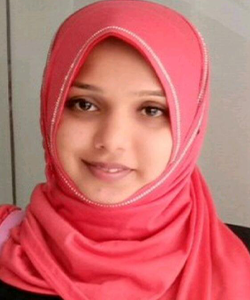
Mrs. Mumthaz M
exp. 9.6 years.
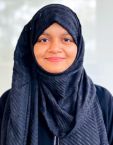
Ms. Fathimath Asreena
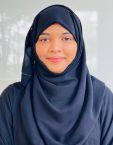
Ms. Ayshath Fahiza
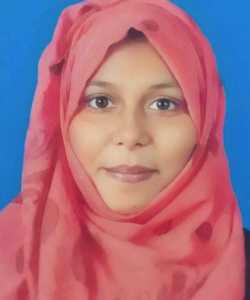
Reema Fathima
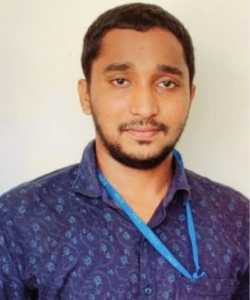
Abubakkar Siddique
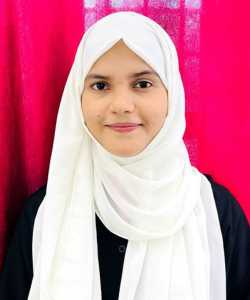
Ms Sadika
1. COMPUTER PROGRAMMING LAB
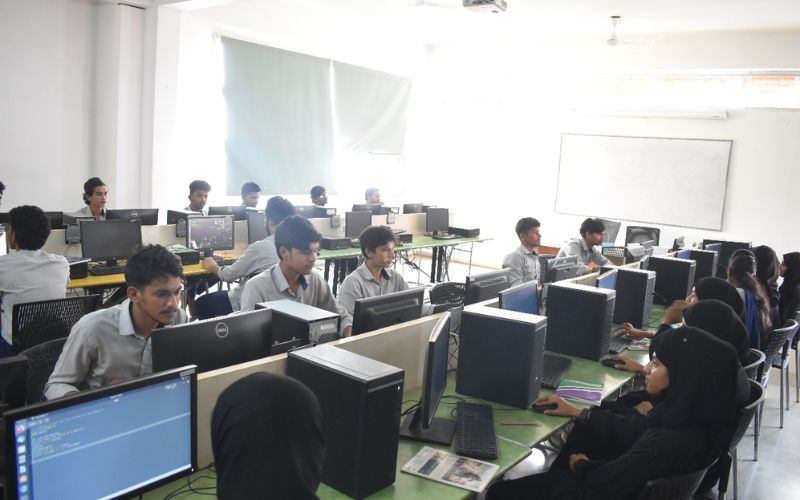
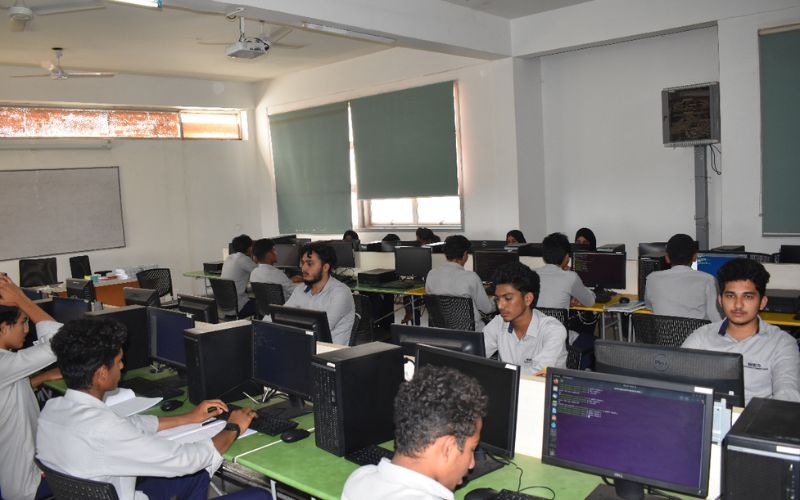
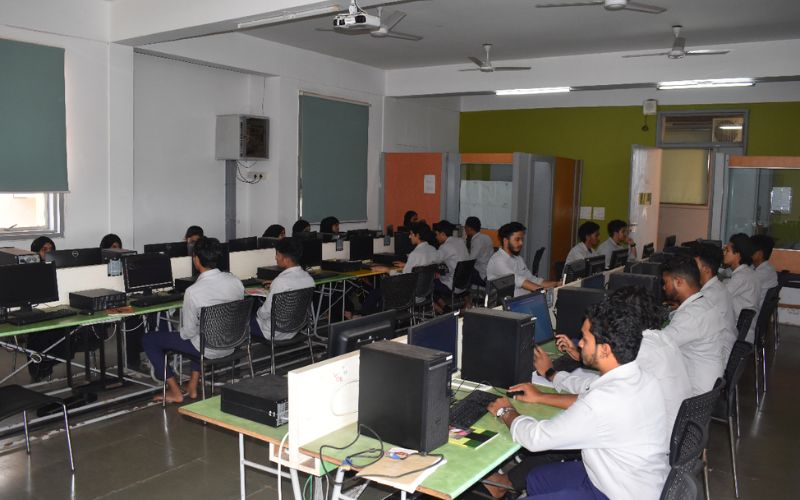
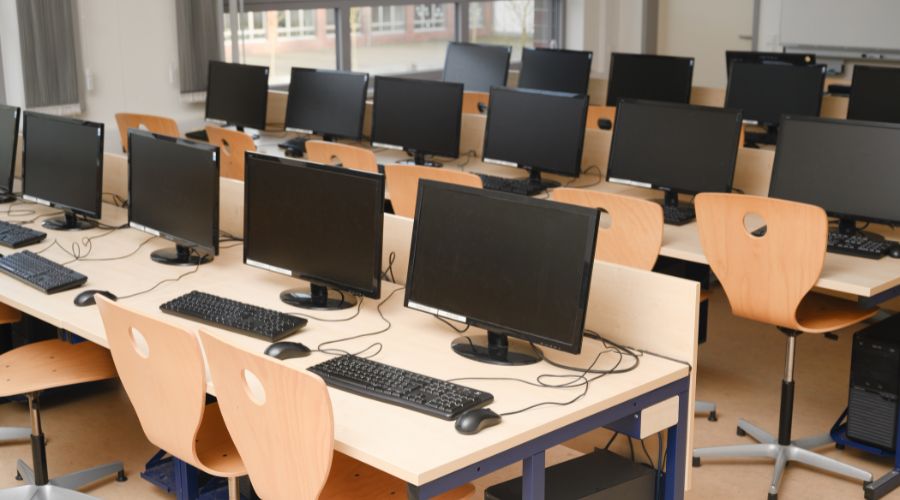
A computer programming lab is a space where students can learn and practice coding skills using various programming languages and tools. It provides access to computers and software, as well as guidance and support from instructors or lab assistants. Programming labs are essential for hands-on learning and developing practical programming skills.
2. DBA / COMPUTER GRAPHICS LAB
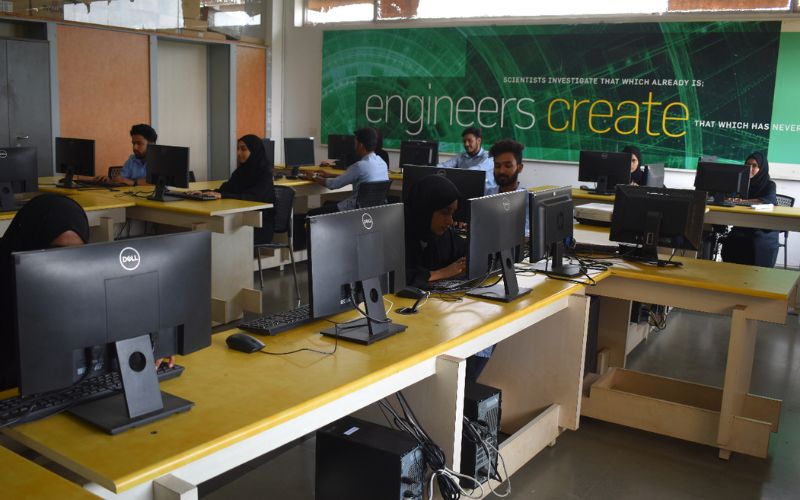
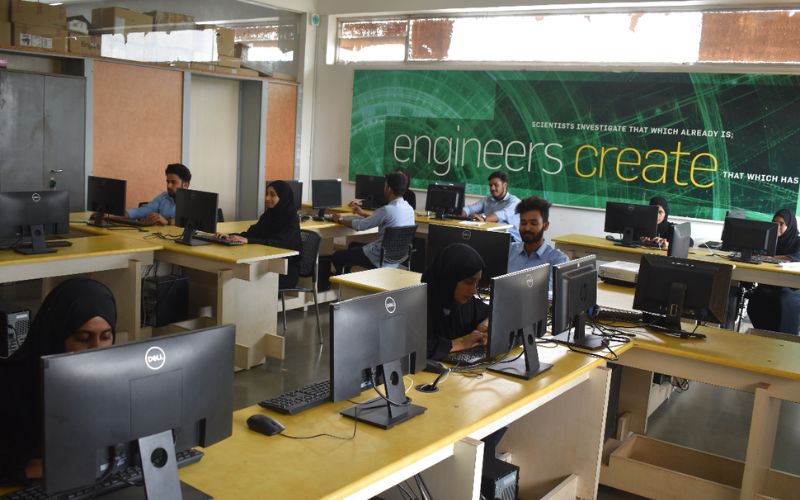
The database and computer graphics lab is specifically designed to facilitate student learning and practice in the fields of database management and computer graphics design. Equipped with computers and specialized software, the lab offers resources and support from instructors or lab assistants to help students create and implement database systems and design visual graphics.
3. MOBILE APPLICATION DEVELOPMENT LABORATORY
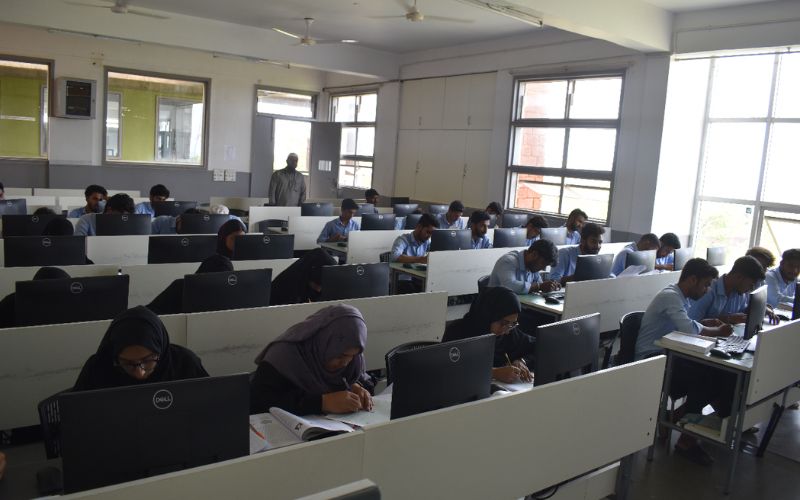
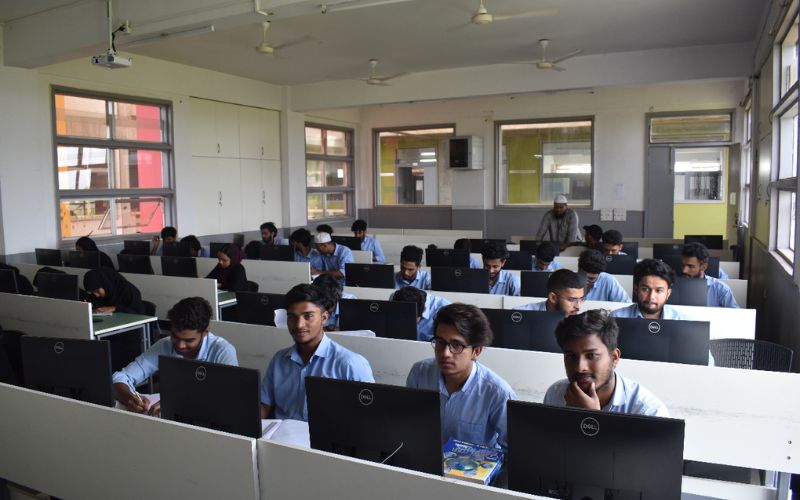
The mobile application development lab is a designated area that provides students with the tools and resources necessary to learn and develop their mobile app development skills. Equipped with essential hardware and software, students can design, build, and test mobile applications for various platforms such as Android, with access to guidance and support from knowledgeable staff.
4. EC & LD /MICROPROCESSORS LAB
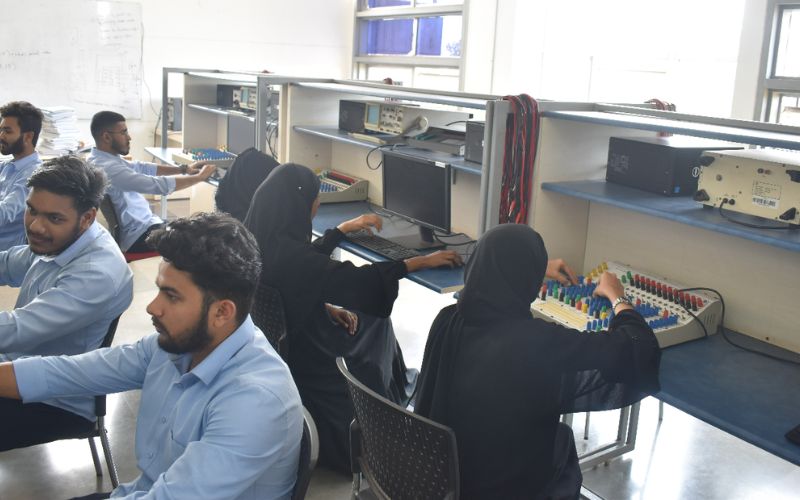
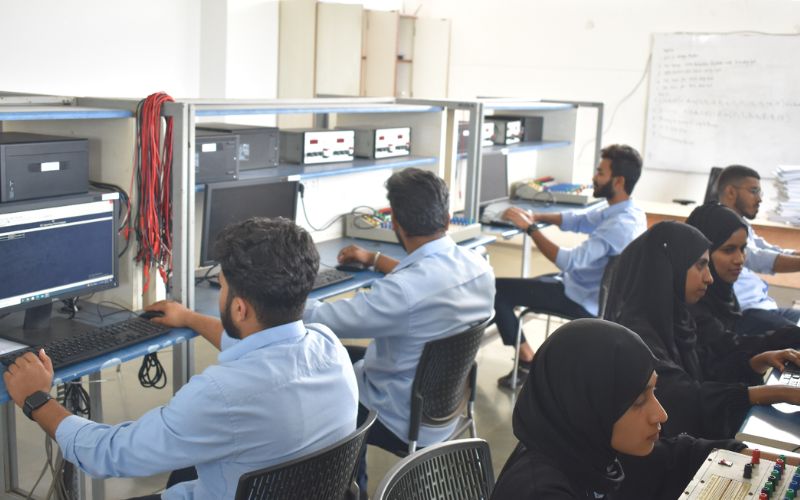
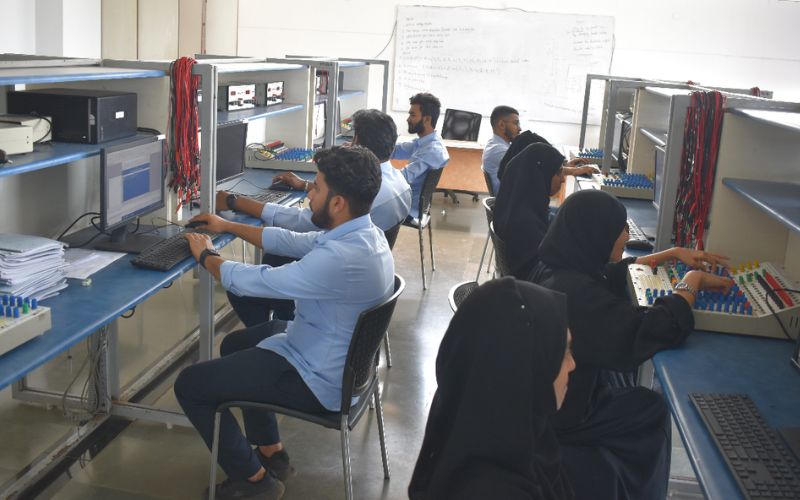
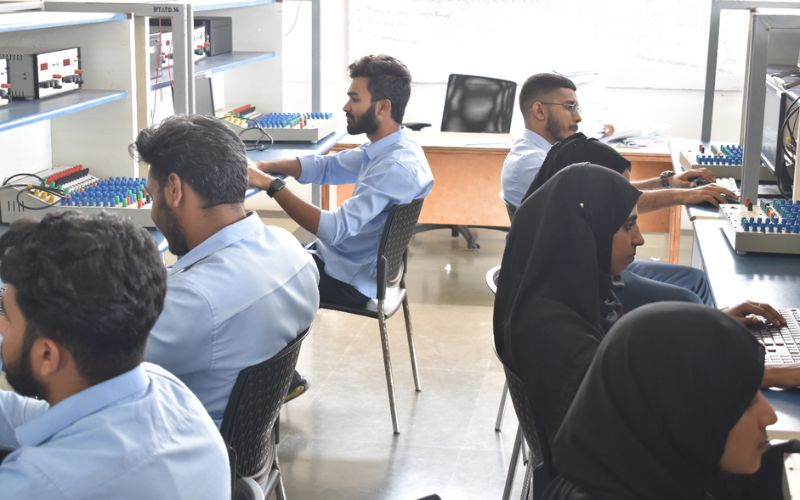
The analog and digital electronics lab is a dedicated environment where students can learn and explore the principles of electronic circuits, devices, and systems. Equipped with essential hardware and software, students can design and test analog and digital circuits for diverse applications, with access to knowledgeable staff for guidance and assistance.
5. DATA STRUCTURES/ALGORITHMS LAB
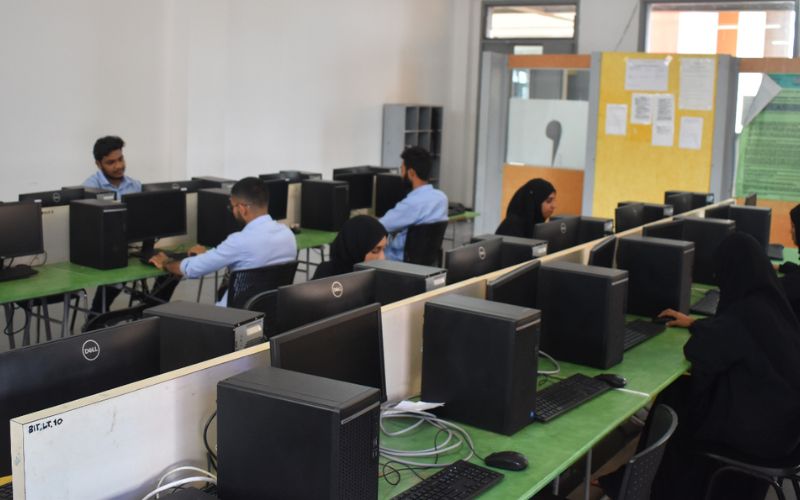
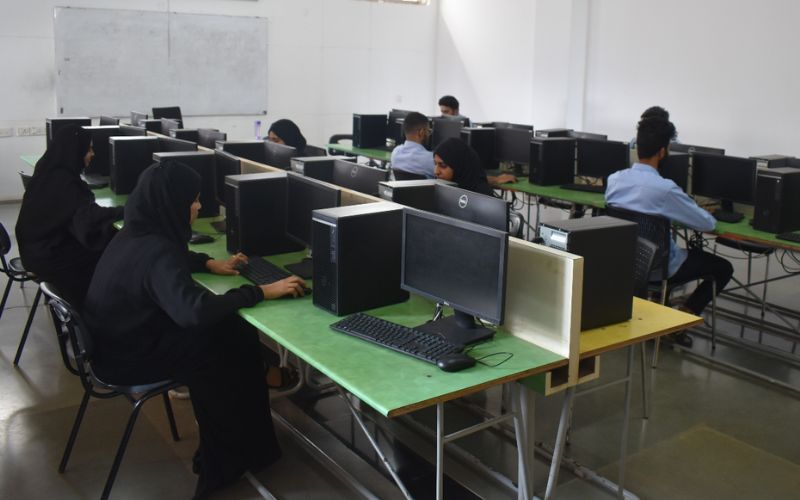
A data structure and algorithm lab is a specialized area where students can study and experiment with the foundational principles of computer science, namely data structures and algorithms. The lab offers access to computer equipment and software, as well as instructional resources and assistance from lab staff. Through the lab, students can hone their problem-solving skills and develop optimized algorithms to manipulate data structures effectively.
6. NETWORK LAB / SERVER ROOM


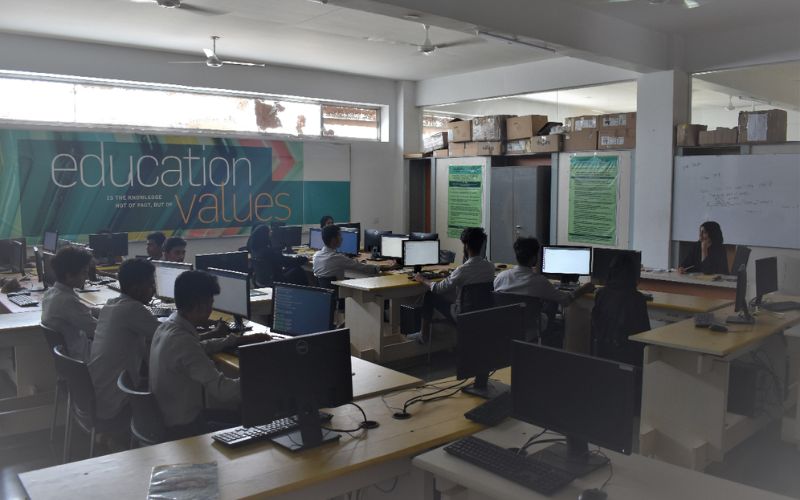

The computer networks lab is a specialized facility where students can acquire hands-on experience in computer networking. Equipped with the necessary hardware and software, students can design, configure and test computer networks, learning various protocols and techniques.
EVENTS
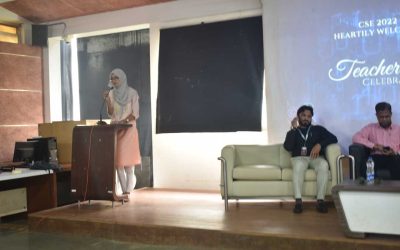
REPORT ON TEACHERS’ DAY CELEBRATION
The Departments of Computer Science & Engineering (CSE) and Artificial Intelligence & Data Science (AIDS) jointly celebrated Teachers’ Day on 5th September 2024 to honor the dedication, commitment, and invaluable contributions of the teaching fraternity.

Unlocking Learning Potential with Salesforce
The Department of Training and Placement in association with Department of Computer Science and Engineering organized a session on Unlocking Learning Potential with Salesforce for Final Year CSE and ECE students. Mr. Mohammed Shahid, Treasurer of BIT – Alumni Association, who is working as a Team Lead in Novigo Solutions Pvt Ltd, Mangalore was the Resource Person. Being an experienced Salesforce Specialist, he gave a thorough explanation on how Salesforce can be one of the career opportunities for freshers.

“Don’t Remain As An Average Engineer”
Department of Training and Placement in association with CEA – BIT, CSE Department organized a...

Inauguration Report – Computer Engineering Association (CEA-BIT) 23-24
The Computer Engineering Association- Bearys Institute of Technology (CEA-BIT) for the academic...

Welcoming Second year students to Department
The Department of Computer Science faculties organized a “Welcoming Second Year Students” Program...

Mr. Shameer Ahmed, Managing Director of Codelab Systems, delivered an insightful orientation program.
Mr. Shameer Ahmed, Managing Director of Codelab Systems, delivered an insightful orientation...

Institute-Industry interaction
“On August 31, 2023, an important meeting took place at the newly established office of Shine...

“Prosperity and Perseverance: Unveiling the Path to Success in the Ever-Evolving IT Industry.”
The Bearys Institute of Technology, in collaboration with the IEEE BIT Student Branch,...

Workshop Latex Report (Date : 05-05-2023)
Department of Computer Science and Engineering in Bearys Institute of Technology has a given talk...

REPORT ON INTROCUCTION TO BLOCKCHAIN CONDUCTED BY COMPUTER SCIENCE AND ENGINEERING (Date : 29-04-2023)
RESOURSE PERSON: Mr. Hardik Singh and Mr. Chirag Ravishankar TIME:10:00 AM to 3:00 PM The...

Talk on current technology trends and opportunities (Date : 02-03-2023)
Bearys Institute of Technology in association with BIT IEEE Student Branch and organized an...

Technical Talk on Applications of Embedded System (Date : 02-03-2023)
IEEE BIT Student chapter inaugurated on 12th Jan, 2023 at the international Seminar hall, Bearys...

A parent-Faculty meet (Date : 16-01-2023)
A parent-Faculty meet was held on 16th January 2023 for second year and third year students of CSE...

The CEA-BIT (Computer Engineering Association Bearys Institute of Technology)(Date : 28-11-2022)
The CEA-BIT (Computer Engineering Association Bearys Institute of Technology) association has been...
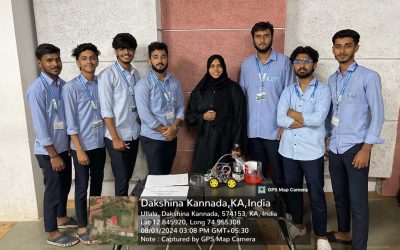
Report on Project Exhibition – CSE & ECE Departments
The Departments of Computer Science & Engineering (CSE) and Electronics & Communication Engineering (ECE) jointly organized an inspiring Project Exhibition on 1st August 2024 to showcase the innovative ideas, technical skills, and creative problem-solving abilities of students.
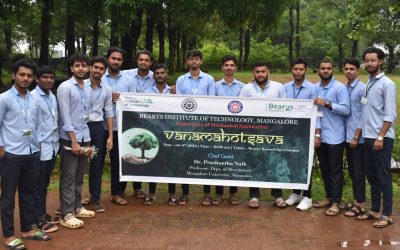
Report on Vanamahotsava Celebration
The Department of Computer Science and Engineering celebrated Vanamahotsava, the annual tree plantation festival, on 4th July 2024 with great enthusiasm and environmental awareness. The event aimed to sensitize students about the importance of conserving nature, increasing green cover, and protecting the environment for future generations.
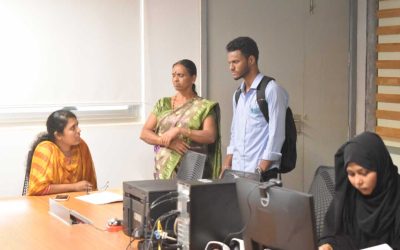
PARENTS MEET – CSE DEPARTMENT
The Department of Computer Science and Engineering organized a Parents Meet on 2nd July 2024 with the objective of strengthening the relationship between parents, students, and faculty members. The event aimed to provide a platform for discussing students’ academic progress, attendance, and overall development while fostering better communication and collaboration between the institution and parents.
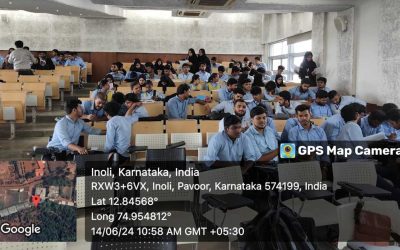
Report on Training and Placement Programme
The Department of Computer Science and Engineering organized a focused Training and Placement Programme on 10th June 2024 to enhance the employability skills of final-year and pre-final-year students. The session aimed to prepare students for upcoming campus recruitment drives by strengthening their technical, aptitude, and interpersonal skills.
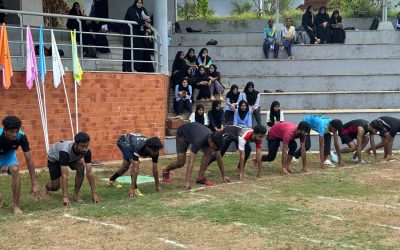
REPORT ON SPORTS DAY – 21.05.2024
The Department of Computer Science and Engineering (CSE) celebrated Sports Day on 21st May 2024 with great enthusiasm and active participation from students across all semesters. The event aimed to promote physical fitness, team spirit, and overall well-being among the students.
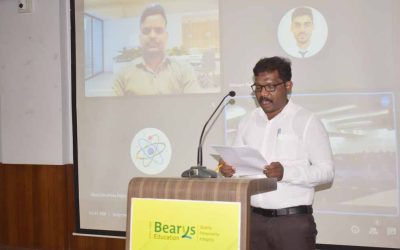
Report on Virtual Lab Workshop
The Department of Computer Science and Engineering organized an informative Virtual Lab Workshop on 8th May 2024 at the Central Library to enhance students’ practical learning experience through digital simulation tools. The workshop aimed to familiarize students with online virtual lab platforms that support remote experimentation and conceptual understanding.
Prof. Afsar Baig M
Publication
a. “Information Set based Local Directional Number for Face Recognition.” Turkish Journal of Computer and Mathematics Education (TURCOMAT) 12.10 (2021): 204-210.
b. “Action & Horror Genre Classification of Movies using Artificial Neural Network(ANN)”, International Journal of Research on Advent Technologies, Vol 1, Issue 5, E-ISSN: 2321-9637
Prof. Umaira
Publication
Umaira, Divya K.K, Department of Computer Science and Engineering, P. A College of Engineering, Mangalore, “secured data transmission using advanced image watermarking”, Vol 7 Issue No. 6, IJESC,2017.
Prof. Mohammed Sinan
Publication
1. Geethalakshmi, V., Surya Venkatraman, Mohammed Sinan Marikattay, and V. B. Poornima. “Visual Impairment Assistance System.” Turkish Journal of Computer and Mathematics Education 12, no. 10 (2021): 294-300.
2. Geethalakshmi, Kousar, F., & Marikattay, M.S. (2019). Architecture of an IoT-based System for Cricket SupervisionArchitecture of an IoT-based System for Cricket Supervision. Journal of emerging technologies and innovative research.
3. ICS SCADA Cyber-Attack Detection and Forecast with Deep Learning Algorithms
Journal: Computer and Electrical Engineering –Elsevier
Tech Staff Mumthaz M
Publication
1. Mumthaz M, Ankitha Bekal, Poornima B V. “AN EFFICIENT IOT BASED SMART HOME AUTOMATION SYSTEM USING ARDUINO AND SMS”, International Conference on Sustainable Urban development, Resource conservation and Food security (SURF). IEEE, 2019. ( JETIR May 2019, Volume 6, Issue 5).
2. Saramath Shamshida, Fathimathul Zohara, Thameeza, Mumthaz M, “Evaluation of Credit Card Fraud Detection Using SVM and ANN“ , International Conference on Sustainable Urban development, Resource conservation and Food security (SURF), IEEE, 2019. (IJETIR May 2019, Volume 6, Issue 5).
3. Mumthaz M ,Poornima B V,Ankitha Bekal,Mudassira Tahneet B Lahori “IOT –ENABLED SMART FARM IRRIGATION SYSTEM FOR RURAL DEVELOPMENT”, International Conference on Sustainable Urban development, Resource conservation and Food security (SURF), IEEE, 2020. (IJERCSE , Vol 8, Issue 11, November 2021).
4. Poornima BV Gowda, Mumthaz M and Mudassira Tahneet B Lahori, “Analysis and Detection of Stress using FGM With CNN Methodology”, 2020, International Conference on Sustainable Urban development, Resource conservation and Food security (SURF), IEEE.